Blog

  • Exercise & Heart Health After 40: What Your Heart Needs Now

    Exercise & Heart Health After 40: What Your Heart Needs Now

    Your heart is a muscle — and like every other muscle in your body, it responds to how you train it.

    Introduction

    Mark, 52, had always considered himself reasonably active. He walked the dog, took the stairs at work, and occasionally played golf on weekends. Then his annual physical revealed elevated blood pressure, borderline LDL cholesterol, and a resting heart rate higher than his doctor preferred. His physician asked a simple question: “How often are you getting your heart rate up intentionally?”

    Mark didn’t have a good answer — and he’s far from alone.

    According to the American Heart Association, cardiovascular disease remains the leading cause of death in the United States, responsible for approximately one in every five deaths. What’s more, the risk accelerates significantly after age 40 as natural changes in heart function, arterial flexibility, and metabolic efficiency begin to compound over time.

    The good news? Exercise is one of the most powerful interventions available for protecting your heart — and you don’t need to become an endurance athlete to benefit. In this guide, you’ll learn exactly how cardiovascular health changes after 40, which types of exercise offer the greatest cardiac protection, how to train safely, and when your symptoms need medical attention.

    What Happens to Your Heart After 40?

    To understand why intentional exercise matters more after 40, it helps to understand the physiological changes your cardiovascular system undergoes with age.

    The heart’s maximum pumping capacity — known as cardiac output, or the amount of blood the heart can push out per minute — gradually declines starting in your late 30s. Research published by the NIH indicates that maximal oxygen uptake (VO2 max), a key measure of cardiovascular fitness, decreases roughly 10% per decade after age 30 in sedentary adults.

    At the same time, arteries become stiffer, a process called arterial stiffness, which forces the heart to work harder to push blood through the body. The result: higher systolic blood pressure, reduced efficiency, and greater wear on cardiac tissue over time.

    Other age-related changes that affect heart health include:

    • Decreased elasticity in the heart’s left ventricle (the main pumping chamber)
    • Slower heart rate recovery after exertion
    • Gradual increase in resting blood pressure
    • Rising LDL (“bad”) cholesterol and declining HDL (“good”) cholesterol
    • Increased risk of atherosclerosis — the buildup of plaque inside artery walls

    None of these changes are inevitable destiny. Clinical evidence consistently shows that adults who engage in regular, structured physical activity significantly slow these processes — and in some cases partially reverse them.

    How Exercise Protects Your Heart: The Science

    Exercise doesn’t just burn calories — it creates measurable, lasting changes in how your cardiovascular system functions. Here’s what the research tells us:

    1. Lowers Blood Pressure
    A 2021 meta-analysis published in the British Journal of Sports Medicine, encompassing over 270 randomized controlled trials, found that regular aerobic exercise reduced systolic blood pressure by an average of 4–9 mmHg — comparable to some antihypertensive medications. Even modest reductions in blood pressure significantly lower stroke and heart attack risk.

    2. Improves Cholesterol Profile
    Aerobic exercise raises HDL cholesterol (the protective kind) while reducing triglycerides — fatty molecules that contribute to plaque buildup. Resistance training further supports lipid metabolism by increasing lean muscle mass, which burns more energy at rest.

    3. Reduces Chronic Inflammation
    Chronic low-grade inflammation is a major driver of arterial disease. Regular moderate exercise reduces circulating levels of inflammatory markers, including C-reactive protein (CRP), according to findings from the Cleveland Clinic and multiple NIH-funded studies.

    4. Strengthens the Heart Muscle Itself
    Like any muscle, the heart adapts to training. Consistent cardio exercise causes cardiac hypertrophy — a healthy increase in the heart’s pumping efficiency. This is different from the pathological enlargement associated with disease and is associated with lower resting heart rate and improved output per beat.

    5. Supports Healthy Weight and Blood Sugar
    Excess body weight and insulin resistance — the condition where cells don’t respond properly to insulin — both strain the cardiovascular system. Exercise improves insulin sensitivity and supports a healthy body composition, reducing these downstream cardiac risks.

    The Best Types of Exercise for Heart Health After 40

    Not all exercise provides the same cardiac benefit, and the most effective approach for adults over 40 is typically a combination of aerobic training, resistance training, and flexibility work.

    Aerobic (Cardiovascular) Exercise

    This is the cornerstone of heart health. The American Heart Association recommends at least 150 minutes of moderate-intensity aerobic activity per week — or 75 minutes of vigorous-intensity activity — for meaningful cardiovascular benefit.

    Moderate-intensity means you can hold a conversation but feel your breathing elevated. Examples include:

    • Brisk walking (3–4 mph)
    • Cycling on flat terrain
    • Swimming laps at a comfortable pace
    • Dancing or low-impact aerobics
    • Using an elliptical trainer

    Vigorous-intensity exercise — jogging, cycling uphill, or aerobic interval training — provides comparable benefits in less time, though it carries higher injury and cardiac stress risk and should be approached gradually if you’re new to exercise or managing a condition. If you’re curious about structured cardio approaches, Treadmill Training After 40 offers a practical starting framework.

    Resistance (Strength) Training

    Strength training is often overlooked in heart health discussions, but research suggests it plays a critical complementary role. A 2019 study published in Medicine & Science in Sports & Exercise found that adults who combined aerobic exercise with resistance training had significantly better lipid profiles and insulin sensitivity than those who did either alone.

    Aim for two to three sessions per week focusing on major muscle groups. You don’t need heavy weights — resistance bands, body weight, and light dumbbells all provide benefit. For guidance on getting started, explore our guides on Bodyweight Training After 40 or Dumbbell Workouts After 40.

    Flexibility and Stress-Reduction Movement

    Chronic psychological stress raises cortisol levels, which directly increases blood pressure and accelerates arterial damage. Activities like yoga, stretching, and tai chi reduce perceived stress and support parasympathetic nervous system activity — the “rest and recover” mode that counterbalances the cardiac strain of stress.

    How to Exercise Safely for Heart Health After 40

    Starting or intensifying an exercise routine after 40 requires thoughtful planning — especially if you have existing risk factors like hypertension, high cholesterol, diabetes, or a family history of heart disease.

    Get a Pre-Exercise Medical Evaluation
    Before beginning a new vigorous exercise program, most physicians recommend a baseline evaluation. For adults over 40 with cardiac risk factors, this may include an electrocardiogram (ECG), a stress test, or blood work. This varies from person to person based on individual history.

    Start Low, Progress Slow
    Clinical evidence supports a gradual progression in exercise intensity. A common approach is to increase duration or intensity by no more than 10% per week to avoid overexertion and injury.

    Monitor Your Heart Rate
    A useful guide is the target heart rate zone: for moderate exercise, aim for 50–70% of your estimated maximum heart rate. A simple estimate of max heart rate is 220 minus your age. A 55-year-old’s estimated max would be 165 bpm, putting the moderate zone at roughly 83–116 bpm.

    Warm Up and Cool Down Every Session
    Skipping warm-ups is a common mistake. A 5–10 minute low-intensity warm-up prepares the heart and blood vessels for increased demand and reduces the risk of arrhythmia (irregular heartbeat) during exertion.

    Stay Hydrated
    Dehydration thickens the blood and forces the heart to work harder. Drink water consistently before, during, and after exercise — not just when you feel thirsty.

    Lifestyle Habits That Amplify Your Exercise Benefits

    Exercise is most effective when paired with complementary lifestyle habits. Research suggests the following have direct, measurable impact on cardiac outcomes:

    Nutrition: A heart-healthy dietary pattern — emphasizing vegetables, fruits, whole grains, lean protein, and healthy fats while limiting sodium, trans fats, and added sugars — supports the lipid and blood pressure improvements exercise initiates. The American Heart Association endorses the Mediterranean and DASH dietary patterns as particularly well-supported by evidence.

    Sleep: Adults who sleep fewer than 6 hours per night have significantly elevated cardiovascular risk, according to data from the CDC. Quality sleep supports blood pressure regulation, inflammation control, and heart rate variability — all markers of cardiac health.

    Stress Management: Chronic stress is an underappreciated cardiac risk factor. Combining physical exercise with mindfulness practices — even 10 minutes of daily deep breathing or meditation — produces measurable reductions in cortisol and blood pressure over time.

    Smoking and Alcohol: If you smoke, cessation remains the single highest-impact cardiovascular intervention available, according to the CDC. Excessive alcohol consumption raises blood pressure and contributes to arrhythmia. Most cardiologists recommend no more than one drink per day for women and two for men, if at all.

    When to Call Your Doctor: Red Flags During Exercise

    Knowing when a symptom is a normal training response versus a cardiac warning sign could save your life. Stop exercising immediately and seek emergency care if you experience any of the following during or after physical activity:

    • Chest pain, pressure, tightness, or squeezing — especially if it radiates to the jaw, left arm, or back
    • Sudden shortness of breath that is disproportionate to your effort level
    • Dizziness, lightheadedness, or fainting
    • Heart palpitations — a racing, pounding, or fluttering sensation that doesn’t resolve quickly
    • Unusual fatigue that feels different from normal workout tiredness
    • Nausea or cold sweating during low-to-moderate exertion

    These symptoms warrant immediate medical evaluation. Do not attempt to “walk it off” or wait until your next appointment.

    At your next routine visit, consider discussing these topics with your doctor:

    • Your target heart rate zone given your current health status
    • Whether a cardiac stress test is appropriate for your age and risk profile
    • How your current medications interact with exercise intensity
    • Blood pressure trends before and after exercise sessions

    Frequently Asked Questions

    Is it safe to exercise if I already have heart disease?

    In many cases, yes — but only under physician guidance. Cardiac rehabilitation programs, which are structured exercise plans supervised by healthcare professionals, are a well-established, evidence-based intervention for patients recovering from heart attacks, bypass surgery, or other cardiac events. Speak with your cardiologist before beginning or resuming exercise after any cardiac diagnosis.

    How quickly will I see heart health improvements from exercise?

    Research suggests that measurable improvements in blood pressure and resting heart rate can begin within 4–8 weeks of consistent moderate exercise. Cholesterol and inflammatory markers typically improve over 3–6 months. This varies from person to person based on baseline fitness, genetics, and consistency.

    Can I get enough cardiac benefit from walking alone?

    Walking — especially brisk walking — provides significant cardiovascular benefit and is one of the most studied and endorsed forms of physical activity for heart health. A 2023 study in JAMA Cardiology found that adults averaging 7,000 or more steps per day had substantially lower rates of cardiovascular events. It may not fully replace more vigorous exercise for all individuals, but it is an excellent and clinically meaningful starting point.

    What if I have high blood pressure — should I avoid strength training?

    Clinical evidence indicates that resistance training, when performed correctly, actually helps reduce blood pressure over time and is generally considered safe for people with well-controlled hypertension. However, heavy maximal lifting and breath-holding during exertion (the Valsalva maneuver) can cause acute blood pressure spikes. Light-to-moderate weights with proper breathing technique are typically recommended. Always confirm exercise parameters with your physician if you have hypertension.

    Does exercise affect heart rate variability?

    Yes — and this is actually one of the most sensitive markers of cardiac fitness. Heart rate variability (HRV) refers to the variation in time between each heartbeat and reflects how well your autonomic nervous system regulates cardiac function. Higher HRV is associated with better cardiovascular health. Regular aerobic exercise consistently improves HRV, according to multiple studies reviewed by the American Heart Association.

    Conclusion

    Protecting your heart after 40 doesn’t require extreme fitness goals or marathon-level dedication. It requires consistency, intentionality, and the understanding that every session of purposeful movement is an investment in your long-term cardiovascular health.

    The evidence is clear: regular aerobic exercise, combined with strength training and stress-reducing movement, can meaningfully lower blood pressure, improve cholesterol, reduce inflammation, and strengthen your heart’s pumping efficiency — all changes that add up to a lower risk of heart disease and a longer, more active life.

    Start where you are. Progress gradually. Pay attention to your body’s signals. And always work with your healthcare provider to design an approach that fits your individual health profile.

    Your heart has been working for you every second of every day. It’s worth investing a little time each week in return.


    Medical Disclaimer: This article is for informational and educational purposes only. It does not constitute medical advice, diagnosis, or treatment. Always consult your physician or a qualified healthcare provider before making changes to your health routine or treatment plan.

    Medically reviewed by our editorial health team. Content follows evidence-based standards aligned with CDC, NIH, and American Heart Association guidelines.

  • Exercise & Gut Health After 40: Move for a Healthier Gut

    Exercise & Gut Health After 40: Move for a Healthier Gut

    The connection between physical activity and your digestive system is more powerful than most people realize — and after 40, it becomes one of the most important relationships in your health.

    Mark, 52, had been struggling with bloating, irregular bowel movements, and low energy for years. He had tried dietary changes, probiotics, and even prescription medications with limited success. Then his gastroenterologist made an unexpected suggestion: "Start walking 30 minutes a day." Within six weeks, Mark noticed a dramatic improvement in his digestion, energy, and overall comfort. What changed wasn't just his waistline — it was his gut.

    According to the National Institutes of Health, more than 70 million Americans suffer from digestive diseases, with prevalence increasing significantly after age 40. Yet one of the most underutilized and evidence-backed tools for improving gut health is regular physical activity — not a pill, not a powder, not a complicated diet protocol.

    In this guide, you'll learn exactly how exercise influences your gut microbiome, digestive motility, and overall gastrointestinal health — and which specific types of movement deliver the most benefit for adults in the 40-to-70 age range.

    What Is the Gut-Exercise Connection?

    Your gut is home to trillions of microorganisms — bacteria, viruses, fungi — collectively called the gut microbiome. This internal ecosystem plays a critical role in digestion, immune function, mental health, inflammation, and even weight regulation. When your microbiome is diverse and balanced, your body functions better across the board.

    The gut-exercise connection refers to the bidirectional relationship between physical activity and gastrointestinal function. Exercise influences how quickly food moves through your digestive tract (a process called gut motility), the composition of your gut bacteria, intestinal inflammation levels, and the strength of the gut lining (also called the intestinal barrier).

    Research published in the journal Medicine & Science in Sports & Exercise, supported by NIH-funded studies, consistently shows that physically active individuals tend to have greater gut microbiome diversity — a key marker of better digestive and immune health.

    After age 40, gut motility naturally slows. Hormonal changes, reduced physical activity, medication use, and dietary shifts all contribute to a less efficient digestive system. This is why constipation, bloating, and irritable bowel symptoms become more common in midlife. The good news: exercise directly counteracts several of these aging-related changes.

    Signs Your Gut May Need More Support

    Many adults over 40 experience digestive changes they dismiss as "just getting older." But some of these symptoms may signal that your gut health — and your activity level — deserve closer attention.

    Early or mild signs of poor gut health:

    • Occasional bloating after meals
    • Irregular bowel movements (fewer than 3 per week or more than 3 per day)
    • Mild gas and discomfort
    • Fatigue after eating
    • Frequent food sensitivities
    • Difficulty losing weight despite dietary changes

    More concerning signs that warrant medical evaluation:

    • Persistent or worsening bloating and abdominal pain
    • Unexplained weight loss
    • Blood in stool
    • Chronic diarrhea or constipation lasting more than a few weeks
    • Heartburn that doesn't respond to lifestyle changes
    • Significant changes in bowel habits after age 50

    A 2023 study from the American Gastroenterological Association found that sedentary adults are significantly more likely to experience chronic constipation, intestinal inflammation, and reduced microbial diversity compared to those who exercise at least 150 minutes per week — the minimum recommended by the CDC.

    How Exercise Affects Your Gut: The Science

    Understanding why exercise helps your gut makes it much easier to stay motivated. Here are the key mechanisms that clinical evidence supports:

    1. Improved gut motility. Physical activity stimulates the muscles of the intestinal wall to contract more efficiently. This accelerates the movement of food and waste through your digestive tract, reducing the time that potentially harmful compounds spend in contact with your intestinal lining. Research indicates that moderate aerobic exercise can reduce colon transit time by up to 30% — a meaningful change for anyone dealing with constipation.

    2. Enhanced microbial diversity. Multiple peer-reviewed studies, including research from the University of Illinois and published through NIH databases, show that exercise significantly increases the diversity and abundance of beneficial gut bacteria — particularly butyrate-producing species. Butyrate is a short-chain fatty acid that fuels colon cells, reduces inflammation, and supports the gut barrier.

    3. Reduced systemic inflammation. Chronic low-grade inflammation is a hallmark of aging and is closely linked to gut permeability (often called "leaky gut"). Regular moderate exercise lowers circulating inflammatory markers such as C-reactive protein (CRP) and interleukin-6, creating a healthier internal environment for your gut to thrive.

    4. Stress reduction and the gut-brain axis. Your gut and brain communicate constantly through the vagus nerve — a two-way highway known as the gut-brain axis. Stress and anxiety can trigger bloating, cramping, and diarrhea by disrupting this communication. Exercise reduces cortisol (the primary stress hormone) and supports healthy vagal tone, which in turn improves gut function. If you're interested in more about how movement influences mental wellness, see our guide on Exercise & Mental Health After 40.

    5. Weight and metabolic regulation. Excess abdominal fat — particularly visceral fat (fat stored around your internal organs) — is associated with increased gut inflammation, dysbiosis (microbial imbalance), and GERD (gastroesophageal reflux disease). Exercise reduces visceral fat more effectively than diet alone, according to the American Heart Association, indirectly improving gut health outcomes.

    The Best Types of Exercise for Gut Health

    Not all exercise affects your gut in the same way. The intensity, duration, and type of movement each play a role — and after 40, finding the right balance is especially important.

    Moderate aerobic exercise is the most consistently supported approach for improving gut health. Activities like brisk walking, cycling, swimming, or light jogging performed at moderate intensity — roughly 50-70% of your maximum heart rate — improve gut motility and microbial diversity without placing excessive stress on the digestive system.

    Clinical evidence indicates that 30 minutes of moderate aerobic activity five times per week produces measurable improvements in gut microbiome composition within as few as six weeks. The CDC recommends at least 150 minutes of moderate-intensity aerobic activity per week — a target that aligns well with what research suggests for gut health benefits. For a practical starting point, our Treadmill Training After 40 guide offers structured walking and running plans specifically designed for midlife adults.

    Yoga and mind-body movement offer particular benefits for the gut-brain axis. Poses that involve twisting and gentle compression of the abdomen — such as seated spinal twists, cat-cow stretches, and supine knee-to-chest poses — can stimulate intestinal motility and support parasympathetic nervous system function, which is essential for healthy digestion. Research suggests yoga may be especially helpful for individuals with irritable bowel syndrome (IBS).

    Strength training supports gut health indirectly by improving insulin sensitivity and reducing visceral fat accumulation. A 2022 meta-analysis in the Journal of Gastroenterology found that resistance training two to three times per week was associated with improved gut microbiome composition and reduced markers of intestinal inflammation. If you're new to resistance training, our guide on Bodyweight Training After 40 is a great place to start without equipment.

    What to avoid: Very high-intensity exercise — particularly prolonged endurance events like marathons or extreme interval training — can actually impair gut function temporarily. During intense physical stress, blood flow is redirected away from the gut, which can cause what athletes call "runner's gut": cramping, nausea, and diarrhea. This varies significantly from person to person, and moderate-intensity exercise does not carry this risk for the vast majority of adults.

    Exercise, Gut Health, and Specific Digestive Conditions

    For adults managing diagnosed digestive conditions, physical activity can be a powerful complementary tool — though it should always be coordinated with your healthcare provider.

    Constipation: This is one of the most well-documented benefits of exercise. The American College of Gastroenterology notes that physical inactivity is one of the most modifiable risk factors for chronic constipation. Even low-impact walking has been shown in clinical studies to improve stool frequency and consistency within two to four weeks.

    Irritable Bowel Syndrome (IBS): Research suggests that moderate exercise reduces IBS symptom severity. A randomized controlled trial published in the American Journal of Gastroenterology found that patients with IBS who exercised regularly experienced significantly greater symptom improvement compared to those who did not, with benefits including reduced abdominal pain, bloating, and bowel irregularity.

    GERD (Acid Reflux): Exercise that supports weight loss — particularly reducing abdominal fat — helps reduce GERD symptoms by decreasing pressure on the lower esophageal sphincter. However, vigorous exercise immediately after eating, or exercises that increase intra-abdominal pressure (like heavy lifting or intense crunches), can temporarily worsen reflux. Most physicians recommend waiting at least two hours after a large meal before exercising.

    Inflammatory Bowel Disease (IBD): For people with Crohn's disease or ulcerative colitis, exercise during remission appears safe and beneficial. The Crohn's & Colitis Foundation acknowledges that moderate physical activity may reduce systemic inflammation and improve quality of life for IBD patients, though exercise during active flares should always be discussed with a gastroenterologist.

    Building a Gut-Friendly Exercise Routine After 40

    The best routine is one you can actually maintain — and that doesn't aggravate your digestive system. Here's a practical framework backed by clinical guidance:

    Start with 20-30 minutes of moderate walking daily. This is the single most accessible and evidence-supported starting point. It improves gut motility, reduces stress, supports weight management, and requires no equipment or gym membership. Aim for a pace where you can hold a conversation but feel slightly breathless.

    Add yoga or gentle stretching two to three times per week. Focus on sessions that include core breathing exercises and twisting poses. Diaphragmatic breathing — deep belly breathing — activates the parasympathetic nervous system and directly supports healthy gut function.

    Incorporate resistance training two days per week. Full-body strength sessions using dumbbells, resistance bands, or bodyweight exercises help reduce visceral fat and support metabolic health, both of which benefit your gut over time.

    Timing matters. Most research suggests exercising in a fasted state or well after a meal (two or more hours) to minimize digestive discomfort. If you exercise in the morning, a light snack is usually sufficient — a large meal before exercise is associated with increased GI symptoms during activity.

    Combine exercise with gut-supportive nutrition. Exercise enhances the effect of a high-fiber diet on your microbiome. Consuming prebiotic-rich foods (onions, garlic, oats, bananas) provides fuel for beneficial gut bacteria, and their growth is further stimulated by regular physical activity. This is a synergistic relationship — each amplifies the benefit of the other.

    Be consistent, not extreme. A modest, consistent exercise routine produces greater gut health benefits than sporadic intense workouts. Research from the Mayo Clinic indicates that the gut microbiome begins to respond to regular exercise within four to six weeks of consistent moderate activity.

    When to Call Your Doctor or Seek Emergency Care

    Exercise is a powerful tool, but it is not a substitute for medical evaluation when symptoms warrant it. Contact your doctor promptly if you experience:

    • Rectal bleeding or blood in your stool
    • Unexplained weight loss of more than 5% of body weight in a short period
    • Persistent abdominal pain that does not resolve with rest or typical remedies
    • New or worsening bowel symptoms after age 50 (especially relevant for colorectal cancer screening discussions)
    • Severe nausea or vomiting that prevents adequate hydration or nutrition

    Seek emergency care immediately if you experience:

    • Sudden, severe abdominal pain — especially if rigid or board-like
    • Large amounts of rectal bleeding
    • Signs of dehydration (extreme thirst, dizziness, confusion) accompanying severe diarrhea
    • High fever accompanied by abdominal pain and changes in bowel habits

    At your next routine appointment, mention your digestive symptoms and your current exercise habits. Ask your physician whether a referral to a gastroenterologist or registered dietitian might be appropriate. If you are over 45 and haven't had a colonoscopy, ask about colorectal cancer screening — the American Cancer Society recommends screening beginning at age 45 for average-risk individuals.

    Frequently Asked Questions

    Q: How quickly can exercise improve gut health?
    Research suggests that consistent moderate exercise can produce measurable changes in gut microbiome composition within four to six weeks. Improvements in gut motility — such as reduced constipation — can be noticed even sooner, often within two to four weeks of beginning a regular walking routine.

    Q: Can exercising too much harm my gut?
    Yes, excessive high-intensity or prolonged endurance exercise can temporarily impair gut function by redirecting blood flow away from the digestive tract. This is generally a concern only for very intense or extended athletic training — not for moderate daily activity. For most adults over 40, the risk of doing too little exercise far outweighs the risk of doing too much.

    Q: Does exercise help with acid reflux?
    Moderate exercise — particularly activities that support weight loss and reduce abdominal fat — may reduce GERD symptoms over time. However, vigorous activity immediately after meals, or exercises that increase abdominal pressure, can temporarily worsen reflux. Clinical evidence indicates that maintaining a healthy weight through regular activity is one of the most effective lifestyle strategies for managing GERD.

    Q: What type of exercise is best for IBS?
    Clinical evidence most strongly supports moderate aerobic exercise — such as walking, cycling, or swimming — and yoga for IBS management. These activities reduce stress hormones, support gut-brain communication, and improve gut motility without triggering the GI distress that can accompany high-intensity training. Individual response varies, so starting slowly and tracking your symptoms is advisable.

    Q: Should I exercise if I'm having a digestive flare-up?
    This depends on the severity and cause. Mild symptoms may actually improve with gentle movement like walking. However, if you have an active IBD flare, severe abdominal pain, or significant diarrhea, rest and medical evaluation are the priority. Always consult your physician about exercise recommendations during acute digestive episodes.

    Conclusion

    The relationship between exercise and gut health is one of the most compelling — and most underappreciated — connections in modern medicine. For adults over 40, who face increased risks of gut motility slowdown, microbial diversity loss, and chronic digestive conditions, regular physical activity is not just beneficial — it's foundational.

    You don't need a complex program or extreme effort. Thirty minutes of brisk walking most days of the week, combined with two strength sessions and some gentle yoga, can meaningfully improve your gut microbiome, reduce inflammation, and help your digestive system function the way it was designed to.

    This varies from person to person, and your specific health history matters. Work with your doctor to create an exercise plan that supports your digestive health — and remember that small, consistent steps forward will always outperform large, unsustainable efforts.

    This article is for informational and educational purposes only. It does not constitute medical advice, diagnosis, or treatment. Always consult your physician or a qualified healthcare provider before making changes to your health routine or treatment plan.

    Medically reviewed by our editorial health team. Content follows evidence-based standards aligned with CDC and NIH guidelines.

  • Treadmill Training After 40: Walk & Run for Better Health

    Treadmill Training After 40: Walk & Run for Better Health

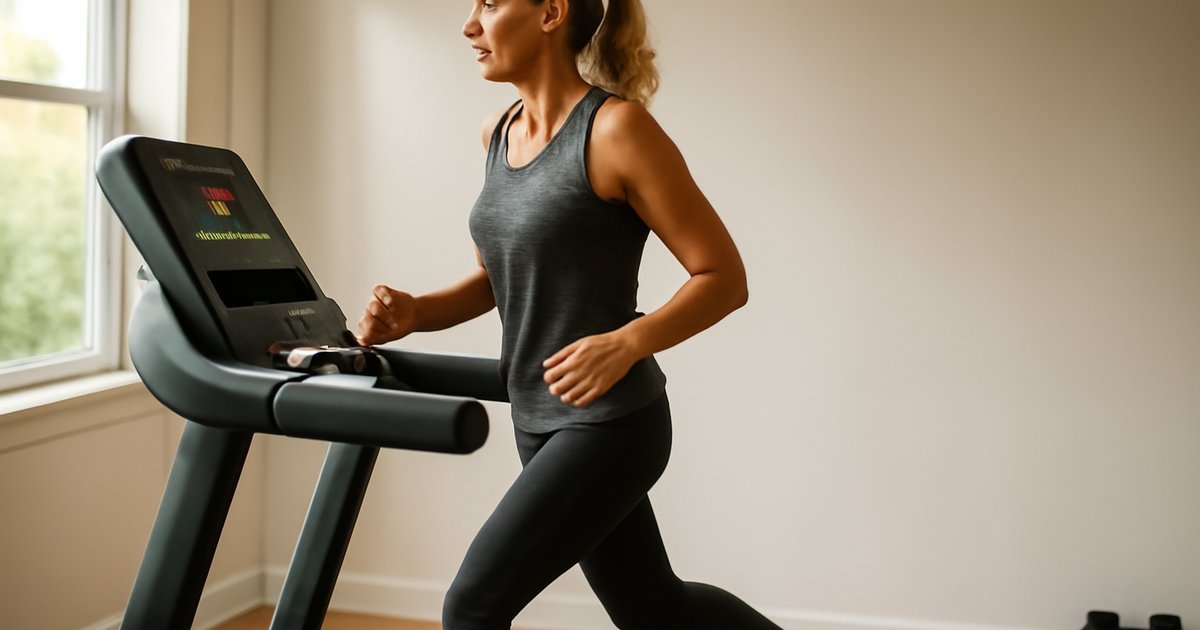
    The treadmill in your spare bedroom isn’t just a coat rack — it may be one of the most powerful health tools available to adults over 40.

    According to the CDC, fewer than 25% of American adults meet both aerobic and muscle-strengthening guidelines — and that number drops significantly after age 40. Meanwhile, cardiovascular disease remains the leading cause of death in the United States, responsible for roughly one in five deaths annually. The good news? Consistent, structured treadmill training can meaningfully reduce your risk.

    Whether you’ve been sedentary for years or you’re returning to exercise after an injury, the treadmill offers a controlled, joint-friendly environment that meets you wherever you are. In this guide, you’ll learn how to use treadmill training safely and effectively after 40 — including the right intensities, the best workout formats, injury prevention strategies, and how to build a sustainable routine that delivers real cardiovascular and metabolic results.

    What Is Treadmill Training — And Why Does It Matter After 40?

    Treadmill training refers to structured aerobic exercise performed on a motorized belt, allowing you to walk, jog, or run at controlled speeds and inclines in a safe indoor setting. Unlike outdoor running, a treadmill gives you precise control over pace, grade, and duration — which matters enormously as your body changes with age.

    After 40, several physiological shifts affect how you respond to cardio exercise. VO2 max — the maximum amount of oxygen your body can use during intense activity — begins to decline at roughly 1% per year after age 25, according to research published in the Journal of Applied Physiology. Resting metabolic rate slows, cardiovascular efficiency decreases, and recovery time lengthens.

    The treadmill addresses these challenges directly. You can train at a precise heart rate zone, add incline to increase caloric burn without increasing impact, and track your progress over time. Clinical evidence consistently shows that regular aerobic exercise — including treadmill walking and running — reduces the risk of type 2 diabetes, hypertension, obesity, and all-cause mortality in middle-aged and older adults.

    The American Heart Association recommends at least 150 minutes of moderate-intensity aerobic activity per week for adults. Treadmill training is one of the most accessible and measurable ways to reach that target.

    Health Benefits Backed by Science

    The research on treadmill and walking-based exercise for adults over 40 is both broad and compelling. Here are the key evidence-based benefits you can expect from consistent training.

    Cardiovascular Health: A landmark meta-analysis published in the British Journal of Sports Medicine found that adults who walked briskly for 150 minutes per week reduced their risk of cardiovascular disease by up to 31%. Treadmill training at moderate intensity lowers resting blood pressure, improves HDL (good) cholesterol, and strengthens the heart muscle over time.

    Blood Sugar Control: According to the American Diabetes Association, regular moderate aerobic exercise improves insulin sensitivity and helps regulate fasting blood glucose — critical for the more than 38 million Americans living with diabetes, and the 96 million with prediabetes.

    Weight and Metabolic Management: As metabolism slows after 40, treadmill training — especially incline walking and interval-based sessions — helps maintain a caloric deficit and preserve lean muscle mass when combined with proper nutrition.

    Bone Density: Weight-bearing treadmill exercise stimulates bone formation and helps counteract the natural decline in bone mineral density that accelerates after menopause and andropause. This is particularly important for reducing fracture risk later in life. For a deeper look at how exercise protects your bones, see our guide on CrossFit-Style Training After 40.

    Mental Health: The NIH reports that regular aerobic exercise is associated with significant reductions in anxiety and depressive symptoms, partly through increased production of brain-derived neurotrophic factor (BDNF) and serotonin. Treadmill training is no exception.

    Getting Started: Setting Up Your Treadmill Routine Safely

    Before you increase the speed, it’s essential to build a foundation. Adults returning to cardio after a break — or beginning for the first time — are at higher risk of overuse injuries, shin splints, and knee pain if they progress too quickly.

    Clinical guidelines from the American College of Sports Medicine (ACSM) recommend beginning with 20–30 minutes of low-to-moderate intensity walking, three to four times per week, and increasing total weekly volume by no more than 10% per week. This is often called the 10% rule, and it’s one of the most important injury prevention principles in exercise medicine.

    Here’s a simple week-one framework:

    • Days 1, 3, 5: 25-minute brisk walk at 2.8–3.5 mph, 0–1% incline
    • Days 2, 4: Active rest — light stretching, yoga, or foam rolling
    • Day 6: Optional 20-minute easy walk
    • Day 7: Full rest

    Always warm up for five minutes at a slow pace before increasing intensity, and cool down for five minutes at the end. This transitions your cardiovascular system smoothly and reduces post-workout soreness.

    Proper footwear matters significantly. Running shoes should be replaced every 300–500 miles, and adults over 40 with flat arches or plantar fasciitis should consider motion-control or stability shoes with appropriate arch support.

    Treadmill Workout Formats That Work After 40

    Not all treadmill sessions are created equal. Varying your training style keeps workouts engaging, challenges different energy systems, and produces better long-term results than doing the same pace every day.

    1. Steady-State Moderate Walk (Foundation Level)
    Speed: 3.0–4.0 mph | Incline: 0–2% | Duration: 30–45 minutes
    This is your base. Targets fat metabolism, improves aerobic base, and is easy on your joints. Ideal for beginners or active recovery days.

    2. Incline Walking (The Fat-Burning Power Move)
    Speed: 2.5–3.5 mph | Incline: 8–15% | Duration: 20–35 minutes
    Research suggests incline walking at moderate speed burns significantly more calories than flat walking — up to 60% more — while maintaining low impact. It also activates glutes, hamstrings, and calves more intensely than flat walking, improving lower-body strength.

    3. Walk-Jog Intervals (Beginner to Intermediate)
    Example: 2 minutes walking + 1 minute jogging, repeated 8–10 times
    This format mirrors the principles behind interval training, progressively building cardiovascular capacity. Clinical evidence indicates interval formats improve VO2 max and metabolic efficiency more effectively than continuous steady-state cardio alone.

    4. Low-Impact Jogging (Intermediate Level)
    Speed: 4.5–6.0 mph | Incline: 0.5–1% | Duration: 25–40 minutes
    For adults who have built a base and want to increase intensity. Maintain a conversational pace — if you can’t speak in short sentences, slow down.

    5. Heart Rate Zone Training
    Using a chest strap or wrist monitor, target specific heart rate zones:
    – Zone 2 (aerobic base): 60–70% of max HR
    – Zone 3 (tempo): 70–80% of max HR
    – Zone 4 (threshold): 80–90% of max HR

    Most of your training should occur in Zone 2, with one weekly Zone 3–4 session. This aligns with evidence-based training principles supported by sports cardiologists and performance researchers alike. For more on zone-based training, our guide on Foam Rolling After 40 pairs perfectly with recovery between harder sessions.

    Injury Prevention: Protecting Your Knees, Hips, and Ankles

    Musculoskeletal injuries are the most common reason adults over 40 abandon exercise routines. The treadmill is lower-impact than asphalt or concrete, but it’s not zero-impact — and overuse injuries can develop gradually without obvious warning.

    According to NIH data, the most frequent treadmill-related injuries in adults include knee pain (patellofemoral syndrome), shin splints, IT band syndrome, and plantar fasciitis. Most are preventable with smart programming.

    Key Injury Prevention Strategies:

    • Always maintain a 0.5–1% incline when jogging — a completely flat treadmill slightly alters natural gait mechanics
    • Avoid holding the handrails while walking at incline — it reduces caloric burn by up to 25% and disrupts posture
    • Land midfoot, not heel-first — overstriding is a leading cause of knee and shin pain
    • Limit consecutive high-intensity days — alternate hard and easy sessions
    • Incorporate mobility work — hip flexors, calves, and IT bands are particularly vulnerable in treadmill users
    • Listen to pain signals — discomfort during warm-up that resolves within 5 minutes is generally manageable; sharp, persistent, or worsening pain is not

    If you experience recurring knee or hip pain during treadmill sessions, consider consulting a physical therapist for gait analysis before continuing.

    Nutrition and Recovery: Fueling Your Treadmill Training

    Exercise is only one side of the equation. For adults over 40, recovery capacity is reduced — meaning what you eat and how you sleep directly affects how quickly you adapt to training and how well you avoid injury.

    Protein intake is particularly critical. Research published in the American Journal of Clinical Nutrition indicates that adults over 50 require approximately 1.2–1.6 grams of protein per kilogram of body weight per day to maintain and build lean muscle mass — significantly more than the RDA of 0.8 g/kg. Prioritize lean protein sources within 30–60 minutes post-workout to support muscle repair.

    Hydration is often underestimated. Even mild dehydration (1–2% of body weight) can impair cardiovascular performance. Drink 16–20 ounces of water in the two hours before a treadmill session and continue hydrating during and after exercise.

    Sleep — often overlooked — is when the body actually repairs and adapts. The NIH recommends 7–9 hours per night for adults, and research confirms that inadequate sleep increases injury risk, reduces performance gains, and disrupts hormonal recovery. To build a better sleep routine around your fitness schedule, explore our guide on Exercise and Mental Health After 40, which covers the bidirectional relationship between physical training, stress, and sleep quality.

    When to Call Your Doctor or Seek Emergency Care

    Treadmill training is safe for the vast majority of healthy adults, but certain symptoms warrant prompt medical attention — especially if you’re over 40 with existing cardiovascular risk factors.

    Call your doctor before starting if you have:

    • Uncontrolled high blood pressure (above 160/100 mmHg)
    • Known heart disease, recent cardiac procedure, or arrhythmia
    • Unmanaged diabetes with neuropathy
    • Severe osteoarthritis or recent joint replacement
    • Unexplained shortness of breath at rest

    Stop exercising immediately and call 911 if you experience:

    • Chest pain, pressure, or tightness
    • Sudden shortness of breath that is severe or doesn’t resolve with rest
    • Heart palpitations or irregular heartbeat that feels alarming
    • Dizziness, fainting, or near-fainting
    • Sudden, severe joint or muscle pain
    • One-sided weakness, slurred speech, or vision changes (potential stroke signs)

    The American Heart Association recommends that adults over 40 with multiple cardiovascular risk factors consider a supervised exercise stress test before beginning vigorous aerobic training. Discuss this with your primary care physician.

    Frequently Asked Questions

    Is treadmill walking enough exercise for adults over 40?
    For cardiovascular health and weight management, research suggests that brisk treadmill walking — particularly with incline — can be highly effective and meets CDC physical activity guidelines. However, most health experts recommend combining cardio with some form of resistance training two days per week for comprehensive health benefits, including muscle preservation and bone density.

    How often should I use the treadmill after 40?
    Most evidence supports three to five cardio sessions per week for adults in this age group, with at least one to two full rest or active recovery days. Frequency depends on your current fitness level, intensity, and recovery capacity. Starting with three days per week and building gradually is a well-supported approach.

    Is it safe to run on a treadmill with bad knees?
    This varies from person to person. For many adults with mild to moderate knee osteoarthritis, low-impact treadmill walking is not only safe but therapeutic — it maintains joint mobility and strengthens surrounding muscles. Running may be more problematic. A physical therapist or orthopedic specialist can help you determine what’s appropriate for your specific condition.

    What speed and incline should I use on a treadmill after 40?
    Beginners should start at 2.5–3.5 mph at 0–2% incline and build from there. Incline walking at 8–15% at 2.5–3.0 mph is an excellent moderate-intensity workout that minimizes impact. For jogging, 4.5–5.5 mph at 0.5–1% incline is a common starting point for adults returning to running. Always let heart rate and perceived exertion guide your intensity.

    Can treadmill training help lower blood pressure?
    Clinical evidence strongly supports this. A meta-analysis in the Journal of the American Heart Association found that regular aerobic exercise — including walking — reduced systolic blood pressure by an average of 4–9 mmHg in individuals with hypertension. This effect is comparable to some antihypertensive medications, though exercise should always complement — never replace — prescribed medical treatment.

    Conclusion

    Treadmill training after 40 isn’t about running faster or pushing harder — it’s about training smarter, consistently, and in a way that supports your long-term health. The research is clear: regular aerobic exercise dramatically reduces your risk of cardiovascular disease, metabolic conditions, and cognitive decline, while improving mood, sleep, and quality of life.

    Start where you are. Walk before you jog. Build before you push. And remember that the most effective treadmill workout is the one you actually do, week after week. Talk with your doctor before beginning any new exercise program, especially if you’re managing a chronic condition — they can help you tailor your approach to your specific health needs and goals.

    This article is for informational and educational purposes only. It does not constitute medical advice, diagnosis, or treatment. Always consult your physician or a qualified healthcare provider before making changes to your health routine or treatment plan.

    Medically reviewed by our editorial health team. Content follows evidence-based standards aligned with CDC and NIH guidelines.

  • CrossFit-Style Training After 40: Safe, Smart & Effective

    CrossFit-Style Training After 40: Safe, Smart & Effective

    How to harness the power of high-intensity functional training without wrecking your joints or your recovery time.

    Introduction

    When Mark, 52, first walked into a CrossFit-style gym, he almost walked right back out. The barbell movements, the jumping, the pace — it all seemed built for someone twenty years younger. But six months later, Mark had dropped 18 pounds, improved his resting heart rate, and — perhaps most importantly — he could carry groceries up three flights of stairs without losing his breath.

    His story is far from unique. According to the CDC, fewer than 25% of American adults meet both the aerobic and muscle-strengthening guidelines set by the Physical Activity Guidelines for Americans. That gap becomes even more pronounced after age 40, when muscle mass naturally begins to decline at a rate of 3–8% per decade — a process clinicians call sarcopenia.

    CrossFit-style functional fitness training offers a compelling answer: compound, full-body movements performed at scalable intensity levels that build real-world strength, cardiovascular endurance, and metabolic health. The key for adults over 40 is working smarter, not just harder. This guide will show you exactly how to do that.

    What Is CrossFit-Style Functional Fitness?

    CrossFit-style training refers to high-intensity functional fitness (HIFF) — a training methodology that combines elements of Olympic weightlifting, gymnastics, metabolic conditioning, and bodyweight movements in varied, constantly changing workouts.

    The defining characteristic of this approach is its focus on functional movements: exercises that replicate real-life patterns such as squatting, hinging, pushing, pulling, and carrying. Unlike isolated machine-based exercise, functional training recruits multiple muscle groups simultaneously, improving neuromuscular coordination alongside raw strength.

    According to research published in the Journal of Strength and Conditioning Research, participants in HIFF programs showed significant improvements in VO2 max (a measure of cardiovascular fitness) and body composition after just 10 weeks of training. These gains were comparable to — and in some measures superior to — traditional endurance and resistance training protocols.

    For adults over 40, the appeal is practical: one structured session can simultaneously address cardiovascular health, muscular strength, flexibility, and metabolic conditioning. That efficiency matters when time, energy, and recovery capacity are finite resources.

    Signs Your Current Fitness Routine Isn’t Enough

    Before exploring how to train this way, it helps to recognize whether your current approach has gaps. Consider whether you’re experiencing any of the following:

    • Early signs your fitness needs a reboot:
      • Fatigue climbing stairs or carrying moderate loads
      • Gradual weight gain despite consistent calorie awareness
      • Stiffness that lingers more than a day after light activity
      • Declining grip strength or difficulty opening jars
      • Resting heart rate trending upward over recent months
      • Loss of confidence in physical tasks you once did easily
    • More advanced signs requiring medical evaluation first:
      • Chest discomfort or unusual shortness of breath during mild exertion
      • Joint pain that persists during rest, not just during activity
      • Unexplained dizziness or heart palpitations during exercise
      • Swelling in the legs or ankles after activity

    A 2023 meta-analysis published via NIH-supported research confirmed that sedentary adults over 40 who begin structured functional training show measurable improvements in balance, muscle mass, and metabolic markers within 8–12 weeks — but only when they start at an appropriate intensity level for their baseline fitness.

    Causes and Risk Factors: Why Aging Changes How You Should Train

    Understanding why your body responds differently to exercise after 40 helps you train more intelligently rather than simply training less.

    Hormonal shifts: Testosterone and human growth hormone — both critical for muscle repair and synthesis — decline significantly with age. The American Urological Association notes that testosterone levels in men drop approximately 1–2% per year beginning in their 30s. In women, perimenopause and menopause accelerate muscle loss and increase visceral fat accumulation.

    Connective tissue changes: Tendons, ligaments, and cartilage become less elastic and more injury-prone after 40. Collagen turnover slows, meaning recovery from repetitive stress takes longer. This is why joint-friendly scaling matters enormously in high-intensity training.

    Reduced recovery capacity: Research suggests that adults over 40 require 48–72 hours of recovery between intense sessions targeting the same muscle groups, compared to the 24–48 hours often cited for younger adults.

    Metabolic slowdown: Basal metabolic rate declines roughly 10% per decade after age 40, primarily due to muscle loss. The irony is powerful: the very training that feels hardest to begin is also the most effective at reversing this metabolic slowdown.

    Risk factors that call for extra caution include: uncontrolled hypertension, recent joint surgery, diagnosed osteoporosis, Type 2 diabetes with peripheral neuropathy, or any cardiovascular condition. If any of these apply to you, always obtain medical clearance before starting high-intensity training.

    Diagnosis: Assessing Your Baseline Before You Begin

    Jumping into CrossFit-style workouts without an honest baseline assessment is one of the most common — and costly — mistakes adults make. A structured starting point dramatically reduces injury risk and improves long-term adherence.

    Medical clearance: The American College of Sports Medicine recommends that adults over 45 with one or more cardiovascular risk factors obtain physician clearance before beginning vigorous exercise programs. A standard workup may include resting ECG, blood pressure evaluation, and basic metabolic panel.

    Movement screening: A qualified fitness professional can perform a Functional Movement Screen (FMS) or similar assessment to identify mobility restrictions, movement asymmetries, or compensatory patterns that increase injury risk under load.

    Self-assessment benchmarks: Before scaling up intensity, clinical evidence indicates it’s wise to confirm you can perform these movement patterns with good form and no pain:

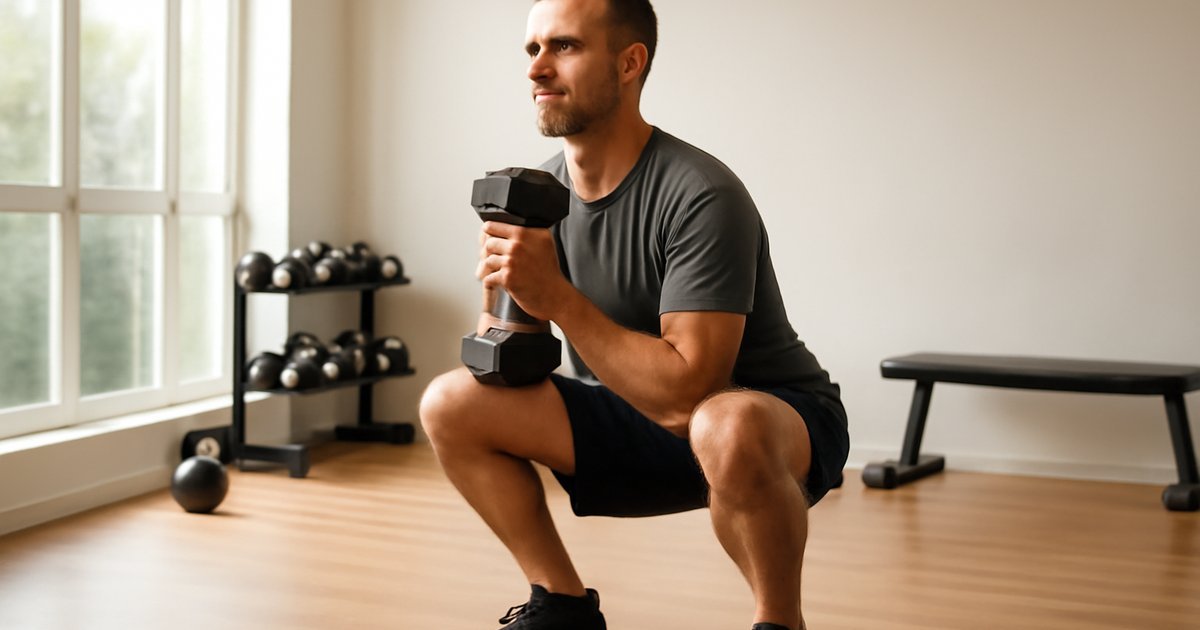
    • Air squat to parallel depth (hip crease below knee)
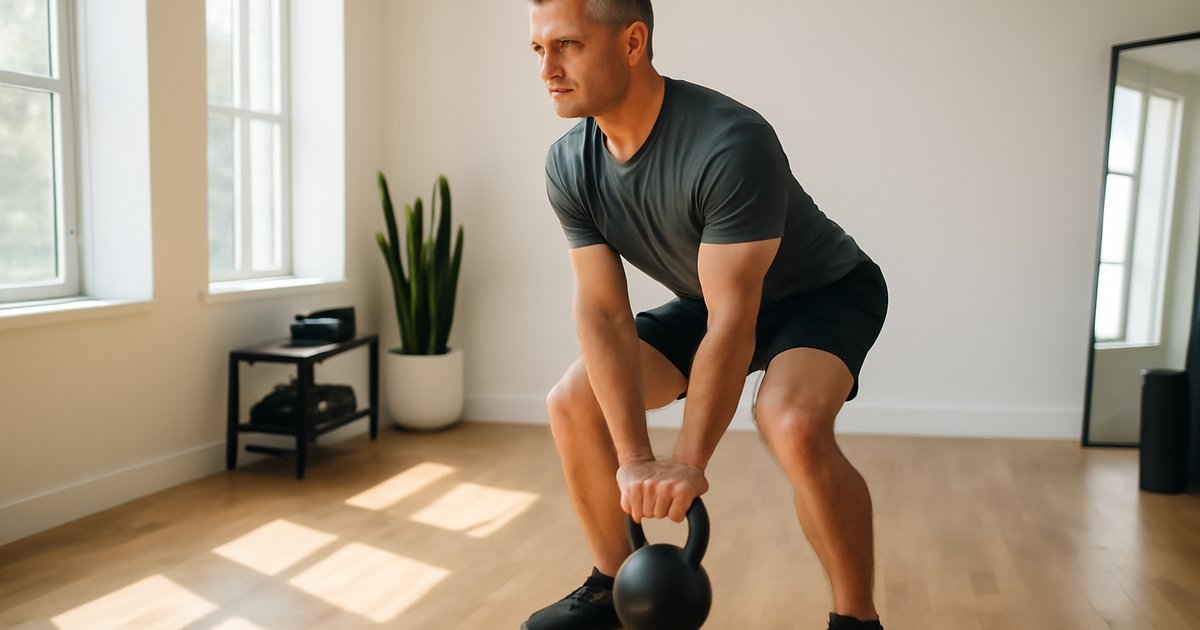
    • Hip hinge (Romanian deadlift) with a broomstick maintaining neutral spine
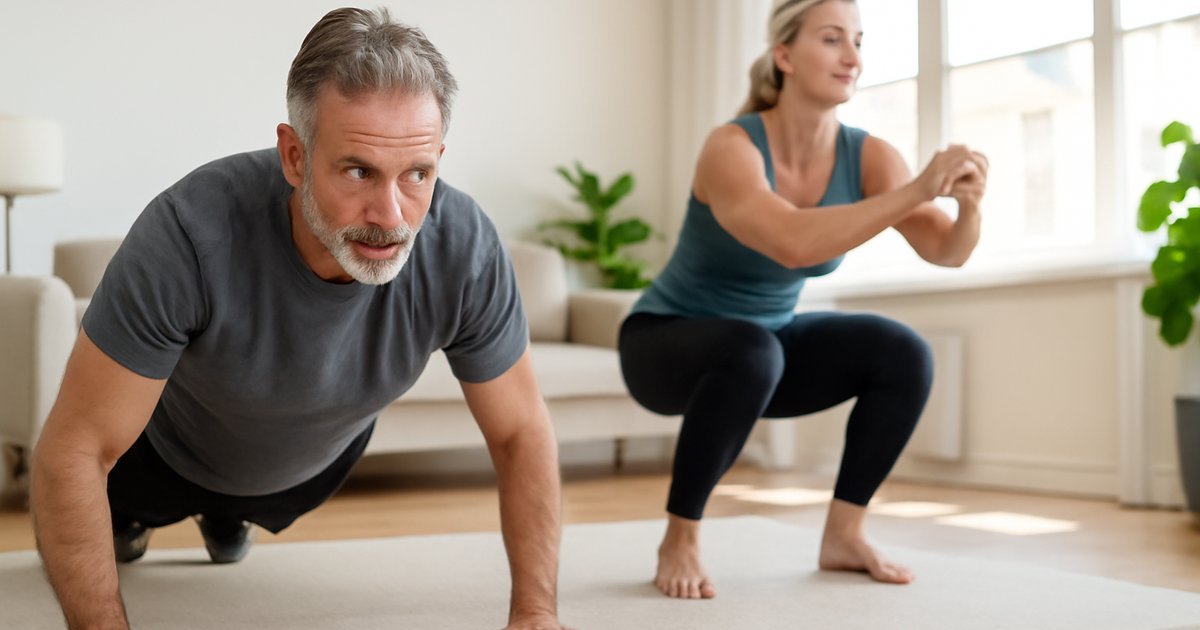
    • Push-up: at least 5 full-range repetitions from the floor
    • Single-leg balance: hold for 10 seconds on each side without wobbling
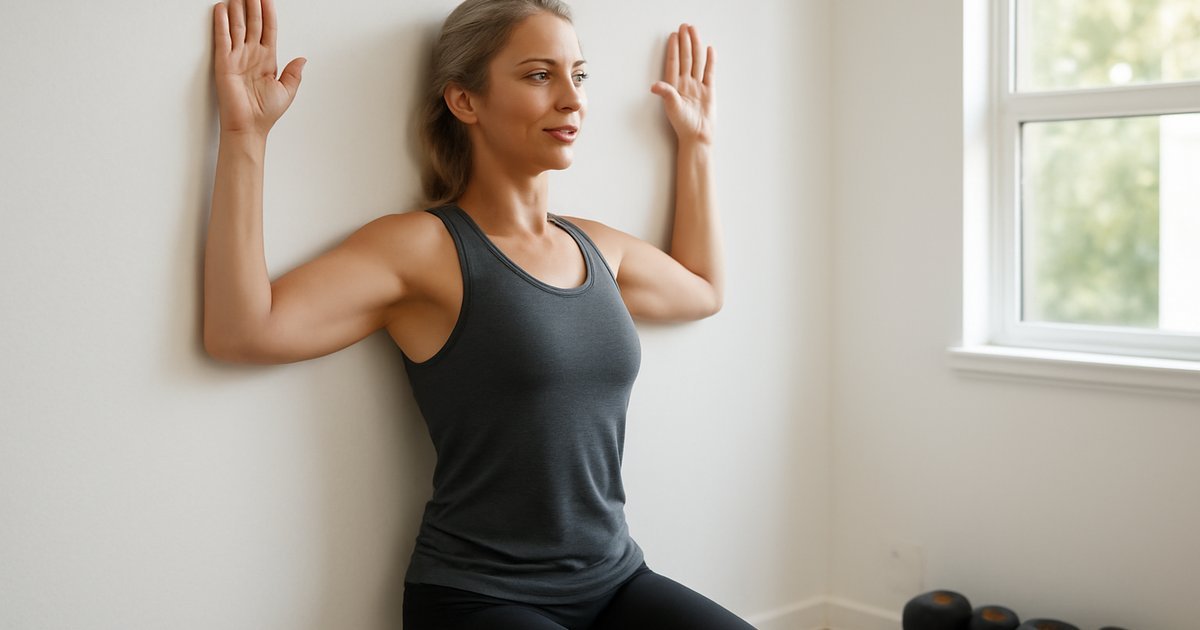
    • Overhead reach: arms fully extended overhead without excessive lower back arch

    If any of these reveal significant limitations, address them first through targeted stretching and flexibility work or posture correction exercises before adding load or intensity.

    Treatment Options: How to Structure CrossFit-Style Training After 40

    The good news: you don’t need to do what a 25-year-old competitive athlete does. CrossFit-style training is inherently scalable, meaning every movement and every workout can be modified to match your current capacity while still delivering meaningful results.

    The Core Principles for Adults Over 40

    1. Master the movements before adding intensity. Clinical evidence strongly supports a skill-before-speed approach. Spend your first four to six weeks learning foundational movement patterns — squats, deadlifts, presses, rows, and carries — using light loads or bodyweight only. Your nervous system needs time to encode proper motor patterns.

    2. Scale intelligently, not lazily. Scaling doesn’t mean avoiding challenge. It means selecting the version of an exercise that is appropriately hard for your current capacity. Box squats instead of full depth squats. Dumbbell deadlifts before barbell deadlifts. Ring rows instead of pull-ups. Progressively reduce those modifications as your capacity improves.

    3. Limit high-intensity sessions to 3 per week. Most physicians and sports medicine specialists recommend that adults over 40 cap true high-intensity sessions at two to three per week, with active recovery or lower-intensity movement on remaining days. This protects your joints and allows adequate hormonal recovery between sessions.

    4. Prioritize recovery as a training variable. Recovery is not optional — it is when adaptation actually occurs. Incorporate active recovery tools such as foam rolling and self-myofascial release, adequate protein intake (research suggests 1.2–1.6 grams per kilogram of body weight for active adults over 40), and 7–9 hours of sleep per night.

    A Sample Weekly Structure

    • Monday: Strength focus — barbell or dumbbell compound movements (squat, press) + short metabolic finisher (8–10 min)
    • Tuesday: Active recovery — 30 min brisk walk, yoga, or light mobility work
    • Wednesday: Metabolic conditioning — kettlebell circuits, rowing, or dumbbell complexes
    • Thursday: Rest or gentle movement — stretching, walking, tai chi
    • Friday: Functional strength — deadlift pattern, carries, pull variations + brief conditioning
    • Saturday: Longer conditioning effort — moderate-paced rowing, cycling, or partner workout
    • Sunday: Full rest or very light movement

    This structure aligns with guidelines from the American College of Sports Medicine and provides a sustainable foundation without overtaxing recovery systems.

    Living With This Training Style: Long-Term Management and Prevention

    One of the most underappreciated aspects of CrossFit-style training for older adults is its community element. Research from Harvard Health Publishing suggests that social accountability in fitness settings significantly improves long-term adherence — a major predictor of actual health outcomes.

    Nutrition timing matters more after 40. Consuming 20–40 grams of high-quality protein within 2 hours post-workout supports muscle protein synthesis, which becomes less efficient with age. Clinical evidence from NIH-supported studies indicates that leucine-rich protein sources (whey, eggs, chicken, Greek yogurt) are particularly effective at stimulating muscle repair in older adults.

    Progressive overload remains essential. Your body adapts to whatever you repeatedly ask of it. Every 4–6 weeks, evaluate whether you can add slightly more weight, perform more repetitions, reduce rest intervals, or complete a workout faster. Small, consistent progress compounds dramatically over months and years.

    Mobility is your insurance policy. Adults over 40 who neglect flexibility and mobility work are significantly more likely to experience overuse injuries that sideline them for weeks. Dedicate at least 10 minutes post-workout and one dedicated session per week to mobility-focused movement.

    Track your effort, not just your performance. Using a simple 1–10 perceived exertion scale helps you avoid the trap of always training at maximum intensity. Most sessions should feel like a 6–7 out of 10 — challenging but controllable. Reserve true 8–9 efforts for two or fewer sessions per week.

    When to Call Your Doctor or Seek Emergency Care

    High-intensity training is generally safe for healthy adults over 40, but certain warning signs require immediate attention. Know the difference between normal discomfort and genuine red flags.

    Stop immediately and call 911 if you experience:

    • Chest pain, pressure, or tightness during or after exercise
    • Sudden shortness of breath disproportionate to effort
    • Dizziness, lightheadedness, or fainting
    • Irregular or rapid heartbeat with associated symptoms
    • Sudden severe headache during intense exertion
    • Numbness or weakness in one arm or side of the body

    Schedule a physician visit within 1–2 weeks if you notice:

    • Joint pain that persists more than 72 hours after training
    • Swelling in a specific joint that doesn’t resolve with rest and ice
    • Persistent fatigue or performance decline despite adequate rest
    • Unusual mood changes, irritability, or sleep disruption following training

    What to tell your doctor: Bring a log of your recent workouts, including frequency, duration, and intensity. Note when symptoms began relative to your training schedule. This information helps your physician determine whether symptoms are training-related or have another cause.

    Frequently Asked Questions

    Q: Is CrossFit-style training safe for someone over 50 with no prior gym experience?
    A: Research suggests yes — with appropriate scaling and proper coaching. The key is beginning with qualified instruction, focusing on movement quality before intensity, and obtaining medical clearance if you have cardiovascular risk factors. Most reputable functional fitness gyms offer beginner-specific programs designed exactly for this population.

    Q: How long before I see results from CrossFit-style training after 40?
    A: Clinical evidence indicates most adults notice meaningful improvements in energy, strength, and body composition within 8–12 weeks of consistent training. Cardiovascular improvements (resting heart rate, VO2 max) may become measurable in as few as 4–6 weeks. This varies from person to person based on baseline fitness, nutrition, sleep quality, and training consistency.

    Q: Can I do CrossFit-style workouts if I have knee or back pain?
    A: Many adults with chronic joint pain participate successfully in functional fitness by using appropriate movement modifications. However, it is essential to have your condition evaluated by a physician or physical therapist first. A trained coach can then adapt movements to avoid aggravating your specific issue while still delivering meaningful fitness benefits.

    Q: What is the biggest mistake adults over 40 make when starting high-intensity training?
    A: Most physicians and fitness professionals agree the most common mistake is progressing too fast, too soon — increasing weight, intensity, or volume before the body has adapted to the baseline demand. Adults over 40 need longer adaptation windows than younger athletes. Patience in the first 8–12 weeks pays dividends for years afterward.

    Q: Do I need to join a CrossFit gym, or can I train this way at home?
    A: You can absolutely apply functional fitness principles at home with minimal equipment — dumbbells, a resistance band, and a kettlebell cover the vast majority of foundational movements. That said, working with a qualified coach even temporarily is strongly recommended to establish sound movement patterns. Once those are ingrained, home training becomes a viable long-term option.

    Conclusion

    CrossFit-style functional fitness isn’t just for elite athletes or the perpetually young. For adults over 40, it represents one of the most time-efficient, evidence-backed approaches to building real-world strength, improving cardiovascular health, and slowing the metabolic and muscular decline that aging brings.

    The secret isn’t training harder — it’s training smarter. That means scaling movements appropriately, honoring your recovery, fueling your body well, and progressing gradually but consistently. It means listening to your body’s signals and knowing when to push and when to pull back.

    Most importantly, it means starting. Every week you delay is a week of potential improvement left on the table. With your physician’s clearance, a qualified coach’s guidance, and the strategies outlined in this article, you have everything you need to begin building the fittest, strongest version of yourself — at any age.


    Medical Disclaimer: This article is for informational and educational purposes only. It does not constitute medical advice, diagnosis, or treatment. Always consult your physician or a qualified healthcare provider before making changes to your health routine or treatment plan.

    Medically reviewed by our editorial health team. Content follows evidence-based standards aligned with CDC and NIH guidelines.

  • Exercise & Mental Health After 40: Move Your Way to a Better Mood

    Exercise & Mental Health After 40: Move Your Way to a Better Mood

    Science confirms what many adults over 40 already sense: the right movement routine can be one of the most powerful tools for protecting your mental well-being.

    Mark, 52, had been grinding through a demanding job for two decades. By the time he hit his early fifties, the low-grade anxiety he’d always managed to push aside had grown louder — restless nights, a short fuse, a persistent feeling that something was just off. His doctor suggested something that surprised him: before adjusting his medication, they would try a structured exercise plan first.

    Within eight weeks, Mark reported sleeping better, feeling more patient with his family, and — for the first time in years — genuinely looking forward to mornings.

    His experience is far from unique. According to the National Institute of Mental Health, roughly one in five U.S. adults lives with a mental health condition in any given year, and rates of anxiety and depression among adults aged 40 to 70 have climbed steadily over the past decade. What’s increasingly clear from clinical research is that regular physical activity is not just good for your heart and waistline — it is a proven, evidence-backed strategy for protecting and improving your mental health at every age.

    In this guide, you’ll learn exactly how exercise affects brain chemistry, which types of movement offer the greatest mental health benefits after 40, how much is enough, and how to get started even on your hardest days.

    How Exercise Affects the Brain After 40

    To understand why exercise works so powerfully on mood and cognition, it helps to know what’s happening inside your brain when you move.

    Physical activity triggers the release of several key neurochemicals — brain chemicals that regulate mood, motivation, and stress response. These include dopamine (linked to pleasure and motivation), serotonin (associated with emotional stability and sleep), norepinephrine (which sharpens alertness), and endorphins (natural pain-relieving compounds that produce the famous "runner’s high").

    But the benefits go deeper than chemistry. Research published in the journal Proceedings of the National Academy of Sciences found that regular aerobic exercise increases the volume of the hippocampus — the brain region responsible for memory and emotional regulation — by approximately 2% in older adults. That matters because the hippocampus naturally shrinks with age, a process linked to memory decline and increased vulnerability to depression.

    After 40, declining hormone levels (including estrogen, testosterone, and cortisol regulation capacity) can make the brain more susceptible to mood disruption. Exercise helps counteract this shift by supporting neuroplasticity — your brain’s ability to form and reorganize connections. Clinical evidence indicates that consistent movement is one of the most accessible tools available to maintain that flexibility as you age.

    Mental Health Conditions That Exercise May Help

    Research suggests that regular physical activity can meaningfully support management of several common mental health challenges, particularly for adults in midlife and beyond.

    Depression: A landmark meta-analysis published in JAMA Psychiatry analyzing data from over one million adults found that people who exercised regularly had a 43% lower incidence of depression compared to those who were sedentary. The American Psychological Association recognizes exercise as an effective adjunct treatment for mild to moderate depression.

    Anxiety: The Anxiety and Depression Association of America reports that regular exercise reduces symptoms of generalized anxiety disorder by lowering baseline cortisol levels and reducing the body’s hyperreactive stress response. Even a single session of moderate-intensity exercise can reduce state anxiety — the "on edge" feeling — for several hours afterward.

    Cognitive decline and dementia risk: The CDC notes that adults who engage in regular physical activity have a significantly lower risk of developing dementia. Exercise promotes blood flow to the brain, reduces neuroinflammation, and supports the growth of new neurons — a process called neurogenesis.

    Sleep disruption: Chronic poor sleep and mental health are deeply intertwined. Clinical evidence indicates that moderate aerobic exercise improves sleep onset (how quickly you fall asleep), sleep duration, and sleep quality — all of which directly support emotional resilience during the day.

    Chronic stress: For adults managing high-pressure careers, caregiving responsibilities, or financial stress — all common in the 40-70 age group — exercise functions as a physiological "pressure valve," metabolizing excess stress hormones and resetting the nervous system toward a calmer baseline.

    This varies from person to person, and exercise is not a replacement for professional mental health care. But for many adults, it is a powerful complementary tool.

    The Best Types of Exercise for Mental Health After 40

    Not all movement affects the mind equally. Research suggests that different exercise modalities offer distinct psychological benefits, and the best routine is the one you’ll actually stick with.

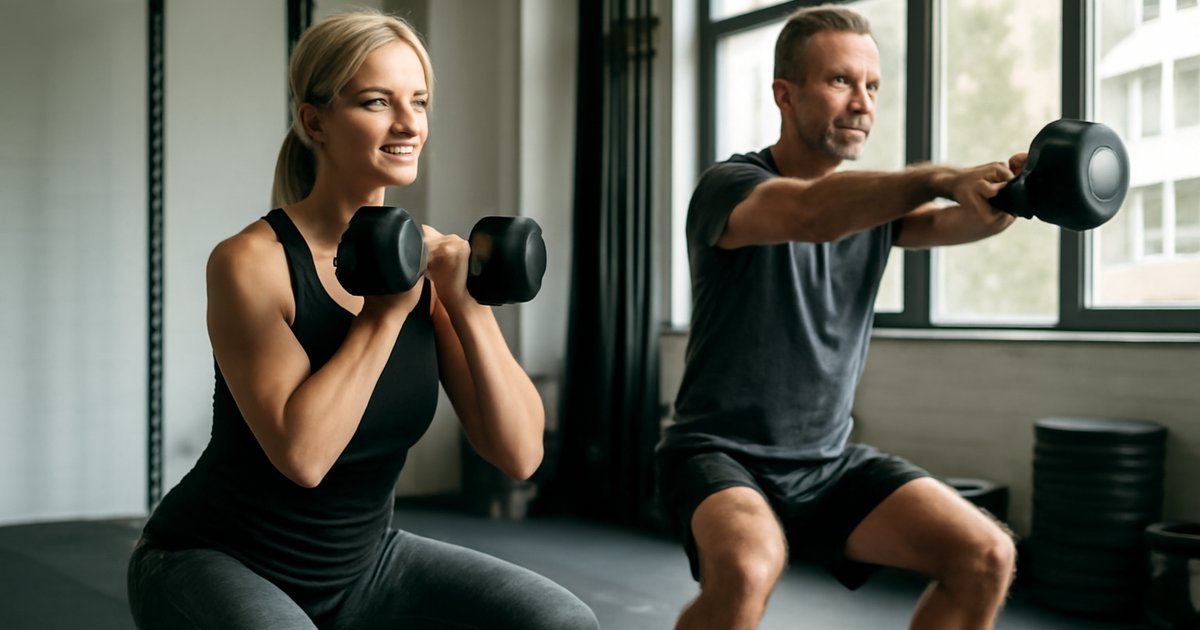
    Aerobic exercise (cardio): Walking briskly, cycling, swimming, dancing, and jogging consistently show the strongest evidence for reducing depression and anxiety. Most physicians recommend at least 150 minutes of moderate-intensity aerobic activity per week, per American Heart Association guidelines. Even shorter sessions of 20-30 minutes produce measurable mood benefits.
    If you’re looking to complement your cardio routine, our guide on Interval Training After 40: Zone-Based Cardio That Works offers an evidence-based approach to structured, efficient cardio workouts.

    Resistance training: A meta-analysis in JAMA Psychiatry found that resistance exercise significantly reduced symptoms of depression, independent of frequency or load. Strength training also boosts self-efficacy — your belief in your own capability — which is a core protective factor against anxiety and low mood. Lifting two to three times per week appears to be a meaningful threshold for mental health benefits.

    Mind-body practices: Yoga, tai chi, and Pilates engage both the body and the breath, activating the parasympathetic nervous system — your body’s "rest and digest" mode. Clinical evidence indicates these practices are particularly effective for reducing anxiety, improving emotional regulation, and lowering cortisol. They’re also joint-friendly, making them excellent options for adults managing arthritis or chronic pain.

    Our article on Tai Chi After 40: Balance, Strength & Mindful Movement is a helpful starting point if you’re exploring gentler, mindful movement options.

    Outdoor exercise: Research suggests that exercising in natural environments — parks, trails, green spaces — amplifies mood-boosting effects compared to indoor exercise alone. Exposure to natural light also supports healthy circadian rhythms and serotonin production, making outdoor movement especially beneficial for adults who struggle with seasonal low mood.

    How Much Exercise Do You Actually Need?

    This is one of the most common questions adults ask, and the good news is that the threshold for mental health benefits is lower than most people expect.

    The U.S. Department of Health and Human Services Physical Activity Guidelines recommend:

    • 150-300 minutes per week of moderate-intensity aerobic activity (such as brisk walking or cycling at a conversational pace)
    • OR 75-150 minutes per week of vigorous-intensity aerobic activity (such as jogging, swimming laps, or cycling fast)
    • Plus muscle-strengthening activities targeting all major muscle groups on two or more days per week

    For mental health specifically, research suggests that even below these thresholds — as little as 30 minutes of moderate exercise three times per week — produces measurable improvements in mood, anxiety, and cognitive function.

    One critical note: more is not always better when it comes to mental health. Overtraining — pushing your body beyond its recovery capacity — can actually increase cortisol chronically, worsen sleep, and contribute to burnout. Most physicians recommend building volume gradually and honoring rest days as part of your mental health strategy, not a departure from it.

    Consistency matters more than intensity. A sustainable routine done regularly outperforms an aggressive routine done sporadically.

    Practical Strategies to Build a Mental Health-Focused Fitness Routine

    Knowing exercise is good for your mental health and actually moving when you’re anxious, depressed, or exhausted are two very different challenges. Here are evidence-informed strategies for bridging that gap.

    Start with the smallest viable action. On difficult mental health days, the bar isn’t a full workout — it’s putting on your shoes and walking to the end of the block. Research on behavioral activation (a core strategy in cognitive behavioral therapy for depression) shows that small action steps break the inertia of low mood more reliably than waiting to "feel motivated."

    Schedule exercise like a medical appointment. Adults who treat their workout time as a non-negotiable calendar commitment are significantly more likely to maintain consistent routines. A 20-minute morning walk carries more cumulative benefit than an hour-long session you keep postponing.

    Use exercise as a stress buffer, not a stress creator. If your workouts feel punishing or joyless, they’re less likely to provide mood benefits. Choose activities you genuinely enjoy or find meaningful — dancing, hiking, recreational sports, water aerobics. The psychological reward of enjoyment amplifies the neurochemical benefits.

    Exercise with others when possible. Social connection is itself a powerful mental health protective factor. Group fitness classes, walking clubs, sports leagues, or even a consistent workout partner adds accountability and social engagement — two things that independently reduce depression risk.

    Track your mood alongside your movement. Keeping a simple log — noting your mood before and after exercise — can help you personally verify the connection and reinforce the habit. Many adults report that seeing the pattern on paper (or on an app) is one of the strongest motivators to keep going.

    For adults managing joint discomfort or mobility limitations, low-impact alternatives like water aerobics or foam rolling for recovery can help you stay consistent without aggravating pain. Our guide on Water Aerobics After 40: Benefits, Routines & Tips offers a detailed starting point.

    When to Talk to Your Doctor or a Mental Health Professional

    Exercise is a powerful tool, but it is not a substitute for professional evaluation and treatment of serious mental health conditions. Know the signs that require a conversation — or urgent care.

    Schedule an appointment with your doctor or a mental health professional if you experience:

    • Persistent low mood, hopelessness, or loss of interest in things you used to enjoy lasting more than two weeks
    • Anxiety so severe it interferes with daily functioning, work, or relationships
    • Sleep disruption lasting more than a month despite lifestyle changes
    • Difficulty concentrating that is noticeably affecting your job or home life
    • Increasing reliance on alcohol or substances to cope with stress or mood
    • Physical symptoms (chest tightness, heart palpitations, chronic fatigue) that may have an underlying medical cause

    Seek emergency care immediately if you or someone you know expresses:

    • Thoughts of self-harm or suicide
    • A plan or intent to harm themselves or others
    • Sudden severe disorientation or confusion

    If you’re already working with a mental health provider, let them know you’re incorporating exercise into your care plan. Most clinicians will welcome it — and many will help you tailor the approach to complement your existing treatment.

    Frequently Asked Questions

    Can exercise really replace antidepressants or therapy?
    Research suggests that for mild to moderate depression, exercise can be as effective as antidepressant medication for some individuals. However, it is not a universal replacement. For moderate to severe depression, most physicians recommend exercise as a complement to — not a substitute for — medication and psychotherapy. Always discuss any changes to your treatment plan with your doctor.

    How quickly will I feel better after starting to exercise?
    Many adults report noticing mood improvements within one to two weeks of starting a consistent routine. For measurable reductions in anxiety and depression symptoms, clinical studies generally observe significant changes at the six to eight week mark. This varies from person to person depending on baseline fitness, condition severity, and consistency.

    Is there a time of day that’s best for mental health benefits?
    Research does not point to one universally optimal time. Morning exercise is often linked to improved mood and energy throughout the day and better sleep at night. However, the most important factor is exercising at a time you can consistently maintain. Evening vigorous exercise within two hours of bedtime may interfere with sleep for some individuals — something to monitor personally.

    What if I’m too anxious or depressed to exercise?
    This is one of the most common and genuinely difficult barriers. Clinical evidence suggests starting with the absolute minimum — five to ten minutes of gentle movement like a slow walk or light stretching. The goal is simply breaking the sedentary cycle. Over time, as mood improves incrementally, longer sessions become more accessible. Working with a therapist who uses behavioral activation techniques can also help you navigate this cycle.

    Does the type of breathing during exercise matter for mental health?
    Emerging research suggests that exercises emphasizing rhythmic, controlled breathing — such as yoga, tai chi, and swimming — may offer amplified benefits for anxiety by directly engaging the parasympathetic nervous system. For general aerobic exercise, focusing on slow, nasal breathing when possible (rather than shallow chest breathing) may help reduce the perceived stress of exertion.

    The Bottom Line

    The connection between movement and mental health is one of the most consistently supported findings in medical research — and it becomes increasingly relevant as you move through your forties, fifties, and beyond. Hormonal shifts, life transitions, chronic stress, and the natural changes in brain chemistry that come with aging all create a landscape where intentional, regular exercise becomes less optional and more essential.

    You don’t need to become an athlete. You don’t need to run a marathon or spend hours at the gym. What research suggests — and what many adults experience firsthand — is that showing up consistently, moving in ways you find meaningful, and treating physical activity as a core pillar of your mental health care can make a profound, lasting difference.

    Start where you are. Be patient with the process. And always work alongside your healthcare team to build an approach that fits your individual needs and goals.


    Medical Disclaimer: This article is for informational and educational purposes only. It does not constitute medical advice, diagnosis, or treatment. Always consult your physician or a qualified healthcare provider before making changes to your health routine or treatment plan.

    Medically reviewed by our editorial health team. Content follows evidence-based standards aligned with CDC and NIH guidelines.

  • Foam Rolling After 40: Recovery, Mobility & Pain Relief

    Foam Rolling After 40: Recovery, Mobility & Pain Relief

    Foam Rolling After 40: Recovery, Mobility & Pain Relief

    Self-myofascial release may be the missing piece in your post-40 fitness routine — here's what the evidence says.

    Why Your Body Needs More Than Just Exercise After 40

    Marcus, 52, had been strength training consistently for two years. He was stronger than he'd been in his 30s — but nagging tightness in his hips, calves, and upper back kept derailing his progress. His physical therapist handed him a foam roller and told him to use it daily. Within six weeks, his range of motion had improved noticeably, and that chronic "stiff morning feeling" had faded significantly.

    If that story sounds familiar, you're not alone. According to the American Physical Therapy Association, musculoskeletal pain — including muscle tightness, joint stiffness, and soft-tissue restrictions — affects more than 100 million Americans, with prevalence rising sharply after age 40.

    Foam rolling, a form of self-myofascial release (SMR), has moved from gym floors to clinical rehabilitation settings because growing research supports its role in reducing soreness, improving mobility, and supporting long-term movement health. In this guide, you'll learn how foam rolling works, which techniques matter most after 40, and how to build a simple, effective routine your body will thank you for.

    What Is Foam Rolling (Self-Myofascial Release)?

    Myofascia refers to the connective tissue — called fascia — that surrounds and supports every muscle in your body. Think of it as a dense, three-dimensional web that holds your muscles in place and allows them to glide smoothly during movement.

    Over time, especially after 40, the fascia can develop adhesions — sticky, tight spots sometimes called "trigger points" or "knots." These adhesions restrict blood flow, reduce flexibility, and contribute to that familiar post-workout stiffness that takes longer to resolve with each passing decade.

    Self-myofascial release is the process of applying controlled pressure to these areas using a foam roller, massage ball, or similar tool. By holding pressure on a tight spot, you encourage the tissue to "release," which clinical evidence suggests may reduce fascial tension and improve local circulation.

    A 2015 systematic review published in the International Journal of Sports Physical Therapy found that foam rolling effectively increased range of motion without negatively affecting subsequent muscle performance — a key concern for athletes and active adults. Since then, multiple studies have reinforced these findings in older adult populations specifically.

    Why Foam Rolling Becomes More Important After 40

    After 40, several biological changes conspire to make soft-tissue recovery more challenging. Understanding these shifts helps explain why foam rolling shifts from optional to genuinely valuable.

    • Slower tissue recovery: Research indicates that muscle protein synthesis — the process by which muscles repair after exertion — slows by roughly 30% between ages 40 and 70, according to findings cited by the NIH National Institute on Aging.
    • Reduced fascial hydration: Fascia requires adequate hydration to remain pliable. As you age, connective tissue naturally becomes denser and less elastic, increasing the likelihood of restriction and discomfort.
    • Decreased physical activity: The CDC reports that fewer than 28% of Americans aged 50-64 meet weekly aerobic and strength training guidelines — and sedentary periods accelerate fascial stiffening.
    • Compounding joint stress: Years of movement patterns, occupational postures, and previous injuries create cumulative soft-tissue restrictions that compound over time without proactive maintenance.

    Foam rolling addresses all of these factors by promoting tissue mobility, stimulating blood flow to recovering muscles, and interrupting the cycle of restriction that leads to compensatory movement patterns and injury.

    If you've been working on stretching routines for flexibility and pain relief, foam rolling works synergistically — addressing tissue quality while stretching improves length and range.

    Evidence-Based Benefits of Foam Rolling

    Clinical research on foam rolling has expanded significantly in the past decade. Here's what the evidence currently indicates for adults — particularly those over 40.

    Reduced Delayed-Onset Muscle Soreness (DOMS)

    Delayed-onset muscle soreness — that deep ache that peaks 24-72 hours after a tough workout — is a familiar frustration for active adults. A meta-analysis published in the Journal of Athletic Training found that foam rolling after exercise reduced the perceived intensity of DOMS by approximately 20% and accelerated recovery of muscle performance between sessions.

    Improved Range of Motion

    Multiple randomized controlled trials have shown that even brief foam rolling sessions of 60-120 seconds per muscle group produce measurable acute improvements in flexibility. Importantly, unlike static stretching, these gains occur without temporary reductions in muscle force output — making pre-workout foam rolling a practical warm-up strategy.

    Enhanced Arterial Stiffness and Blood Flow

    A 2014 study published in the Journal of Human Kinetics found that foam rolling reduced arterial stiffness in the treated limb for up to 30 minutes post-session, suggesting a meaningful circulation benefit. For adults over 40 managing cardiovascular risk factors, improved peripheral circulation during exercise recovery has practical value beyond just soreness reduction.

    Reduced Perception of Fatigue

    Research suggests that subjects who foam-rolled after resistance training reported significantly lower perceived fatigue scores at 24 and 48 hours compared to control groups. This subjective improvement may translate to better adherence to training schedules — a critical factor in long-term fitness outcomes.

    How to Foam Roll: Technique Fundamentals

    Poor technique undermines results and can occasionally cause discomfort in sensitive areas. These fundamentals apply regardless of which muscle group you're targeting.

    • Slow and deliberate: Roll at approximately one inch per second. Rushing reduces effectiveness and increases the risk of bruising on sensitive tissue.
    • Find the tender spot: When you locate a notably tight or tender area, pause directly on it. Hold for 20-30 seconds rather than continuing to roll. This sustained pressure is where the release occurs.
    • Breathe through it: Diaphragmatic breathing (slow, deep breaths) activates the parasympathetic nervous system, which facilitates tissue relaxation. Don't hold your breath on sensitive spots.
    • Manage pressure: You control how much body weight you apply by distributing load through your hands or opposite leg. Start with less pressure and gradually increase as tolerance builds.
    • Avoid rolling directly on joints: Never foam roll directly over your knee joint, elbow joint, or spine. Focus on the muscle bellies — the fleshy sections between joints.
    • Duration per area: Most clinical protocols recommend 60-120 seconds per muscle group, which translates to a full-body session of 10-15 minutes.

    Key Muscle Groups to Target After 40

    Certain areas accumulate restriction disproportionately in adults over 40, particularly those who sit for extended periods or have asymmetrical movement demands from work or sport.

    Thoracic Spine (Upper Back)

    Place the roller perpendicular to your spine just below the shoulder blades. Support your head with your hands and slowly extend over the roller. This addresses the thoracic kyphosis — the forward rounding — that commonly develops from desk work and worsens posture over time. Pairing this with posture correction exercises creates a powerful combination.

    Hip Flexors and Quadriceps

    Lie face down and place the roller under the top of your thigh. This region becomes chronically shortened from prolonged sitting and contributes to lower back pain — one of the top five reasons adults over 40 visit their primary care physician, according to the NIH.

    IT Band and Lateral Thigh

    Roll along the outer thigh from just below the hip to just above the knee. This area is frequently tight in runners, cyclists, and those with knee pain. Note: this region is often sensitive — apply conservative pressure initially.

    Calves and Achilles Region

    Calf tightness contributes to plantar fasciitis (heel pain), knee stress, and ankle mobility restriction — all common complaints in adults over 40. Roll from just above the ankle to just below the back of the knee.

    Glutes and Piriformis

    Seated on the roller, cross one ankle over the opposite knee and shift weight toward the crossed side. This targets the piriformis — a deep hip rotator that when tight compresses the sciatic nerve, contributing to the shooting or aching sensation many people misidentify as back pain.

    Lats and Mid-Back

    Lie on your side with the roller under your armpit area. This region is critical for shoulder mobility and overhead function — important for adults engaged in bodyweight training or resistance work involving pressing and pulling movements.

    Building a Foam Rolling Routine After 40

    Consistency matters more than duration. Research supports even brief daily sessions producing cumulative benefit over time. Here are two practical protocols.

    Pre-Workout (Dynamic Warm-Up Support) — 8-10 Minutes

    Focus on areas most relevant to the day's workout. Roll each targeted area for 60 seconds, pausing on any tender spots. Follow immediately with dynamic movement (leg swings, arm circles, hip circles) to reinforce the mobility gains from rolling before they dissipate.

    Post-Workout or Evening Recovery — 12-15 Minutes

    A more thorough full-body session performed after training or in the evening. Spend 90-120 seconds per area. Pair with slow breathing and consider ending with 5 minutes of light static stretching. This combination has the strongest evidence base for reducing next-day soreness.

    Recommended Equipment

    • Standard 36-inch foam roller: Best for thoracic spine, quads, and hamstrings
    • Shorter 12-inch roller: More portable, useful for calves and forearms
    • Lacrosse or massage ball: Superior for glutes, plantar fascia, and pec minor
    • Vibrating foam roller: Emerging evidence suggests vibration enhances circulation benefits, though standard rollers remain effective and significantly more affordable

    Living Well: Foam Rolling as a Long-Term Practice

    The adults who benefit most from foam rolling are those who treat it as a non-negotiable part of their routine — like brushing teeth — rather than something they do only when sore. This mindset shift is supported by research suggesting that consistent soft-tissue maintenance reduces cumulative fascial restriction over time.

    A few practical strategies to make it stick:

    • Keep your roller visible — in your bedroom, living room, or beside your workout area
    • Link it to an existing habit: foam roll while watching the evening news or before your morning coffee
    • Track improvements in range of motion or soreness levels weekly to reinforce motivation
    • Adjust pressure seasonally — many people find they need more intensive sessions after periods of travel, illness, or reduced activity

    This varies from person to person. Some adults notice meaningful improvements in stiffness and soreness within one to two weeks; others with more significant fascial restriction may take four to six weeks before consistent change is apparent.

    When to Call Your Doctor: Red Flags to Know

    Foam rolling is generally safe for healthy adults when performed correctly. However, certain situations require medical evaluation before or instead of self-treatment.

    Stop foam rolling and contact your doctor if you experience:

    • Sharp, shooting, or electrical pain during rolling — particularly radiating into an arm or leg
    • Significant swelling, warmth, or redness in a limb (possible deep vein thrombosis)
    • Pain that worsens progressively over days rather than improving
    • Numbness or tingling that persists after rolling ceases
    • Bruising that appears disproportionately large relative to pressure applied

    Foam rolling is not recommended for:

    • Areas with acute inflammation, open wounds, or recent fractures
    • Directly over varicose veins or areas with known blood clots
    • Individuals with peripheral neuropathy without first consulting their physician
    • Directly over the lumbar spine (lower back vertebrae)

    At your next appointment, ask your physician or physical therapist whether foam rolling is appropriate for any current musculoskeletal conditions, and which areas to prioritize or avoid.

    Frequently Asked Questions

    Q: How often should adults over 40 foam roll?
    Clinical evidence suggests daily sessions of 10-15 minutes produce the most consistent benefits for recovery and mobility in this age group. That said, even three to four sessions per week provides meaningful improvement over no soft-tissue work at all.

    Q: Is it normal for foam rolling to hurt?
    Mild to moderate discomfort — often described as a "good hurt" similar to pressing on a sore muscle — is normal and generally indicates you've found a tension point. Sharp, shooting, or severe pain is not normal and suggests you should reduce pressure or avoid that area until evaluated by a healthcare provider.

    Q: Can foam rolling replace stretching?
    Research suggests they work best in combination. Foam rolling addresses tissue quality and reduces fascial restriction; stretching addresses muscle length and joint range of motion. Using both — rolling first, then stretching — produces greater range-of-motion gains than either alone, according to studies published in the Journal of Sports Sciences.

    Q: Can I foam roll if I have arthritis?
    Many adults with osteoarthritis find foam rolling helpful for managing surrounding muscle tightness that exacerbates joint pain. However, you should avoid rolling directly over acutely inflamed joints and consult your rheumatologist or physician before beginning if you have rheumatoid arthritis or inflammatory joint disease.

    Q: Will foam rolling help with lower back pain?
    Lower back pain often originates from tight hip flexors, glutes, and thoracic spine restrictions rather than the lumbar spine itself. Foam rolling these contributing areas may reduce referred tension in the lower back — but you should never roll directly over the lumbar vertebrae. If lower back pain is severe or chronic, consult your physician before beginning any self-treatment protocol.

    Conclusion: Invest 10 Minutes a Day in Your Body's Long-Term Health

    Foam rolling isn't a trend — it's a practical, evidence-supported tool for managing the soft-tissue demands of an active life after 40. The research consistently shows benefits for soreness reduction, flexibility, circulation, and recovery quality. More importantly, it's accessible, low-cost, and adaptable to any fitness level or physical limitation.

    Start with 10 minutes, three times a week. Focus on the areas that feel most restricted. Be consistent. And pair your rolling practice with the guidance of your physician or physical therapist if you have any underlying musculoskeletal conditions. Small, daily investments in tissue maintenance compound over years into significantly better movement, comfort, and quality of life.

    Your body does a remarkable amount for you every day. A foam roller is one of the simplest ways to return the favor.


    Medical Disclaimer: This article is for informational and educational purposes only. It does not constitute medical advice, diagnosis, or treatment. Always consult your physician or a qualified healthcare provider before making changes to your health routine or treatment plan.

    Medically reviewed by our editorial health team. Content follows evidence-based standards aligned with CDC and NIH guidelines.

  • Posture Correction Exercises for Adults Over 40

    Posture Correction Exercises for Adults Over 40

    Poor posture isn’t just about appearances — it’s a serious musculoskeletal issue that drives pain, fatigue, and long-term spinal damage in millions of American adults.

    Mark, 52, spent years working at a desk before his chronic neck pain became unbearable. His doctor told him something he didn’t expect: the root cause wasn’t arthritis or a herniated disc — it was years of forward head posture and rounded shoulders that had gradually reshaped how his spine bore weight. A targeted posture correction program changed his quality of life within months.

    According to the National Institutes of Health, musculoskeletal disorders — many of which are directly linked to poor posture — affect more than 126 million Americans and are the leading cause of disability in adults over 40. Yet posture is rarely discussed as a primary intervention in preventive care.

    This guide will walk you through what poor posture actually is, why it worsens after 40, the most effective posture correction exercises backed by clinical research, and when you should see a healthcare provider. Whether you’re managing back pain, recovering from injury, or simply being proactive about your spinal health, this article gives you the tools to start improving today.

    What Is Poor Posture — and Why Does It Worsen After 40?

    Posture refers to the alignment of your body segments — head, shoulders, spine, hips, knees, and ankles — relative to one another and to gravity. Ideal posture distributes mechanical stress evenly across joints and muscles, minimizing wear and energy expenditure.

    Poor posture occurs when chronic misalignment forces certain muscles and joints to compensate for others. Over time, some muscles shorten and tighten (called hypertonicity), while opposing muscles lengthen and weaken — a pattern clinicians call muscle imbalance.

    After 40, several biological changes accelerate postural decline:

    • Muscle mass loss (sarcopenia): Adults lose up to 3–5% of muscle mass per decade after 30, per the NIH. Weakened core and back muscles struggle to hold the spine upright.
    • Disc degeneration: Intervertebral discs lose hydration and height, reducing spinal flexibility and shock absorption.
    • Reduced proprioception: The body’s awareness of its own position in space diminishes, making postural correction harder to sustain automatically.
    • Prolonged sedentary behavior: The CDC reports that fewer than 25% of American adults meet federal physical activity guidelines — and desk work compounds postural dysfunction daily.

    Common postural problems in adults over 40 include forward head posture (head shifted forward of the shoulders), thoracic kyphosis (excessive rounding of the upper back), anterior pelvic tilt (lower back arching excessively), and flat-back posture (loss of natural lumbar curve).

    Research suggests these patterns are not inevitable — they are largely correctable with consistent, targeted exercise.

    Signs and Symptoms of Postural Dysfunction

    Poor posture rarely announces itself dramatically at first. The warning signs often build slowly and are easy to attribute to aging or stress.

    Early signs:

    • Tension headaches, especially at the base of the skull
    • Nagging neck stiffness, particularly after sitting or sleeping
    • Rounded shoulders that feel difficult to pull back
    • Mid-back tightness or fatigue after standing
    • Hip flexor tightness and difficulty standing fully upright
    • Mild lower back discomfort after long periods of sitting

    More advanced signs:

    • Persistent or radiating neck and back pain
    • Visible forward head position (chin jutting forward)
    • Noticeable hump at the upper back (dowager’s hump)
    • Reduced range of motion in the shoulders, hips, or spine
    • Numbness or tingling in the arms or legs (nerve compression)
    • Breathing difficulty due to compressed chest cavity
    • Balance problems or increased fall risk

    A 2021 study published in the Journal of Physical Therapy Science found that adults with forward head posture of more than 2 cm from the neutral line experienced significantly higher rates of chronic cervical pain and reduced lung capacity compared to those with neutral alignment.

    Causes and Risk Factors

    Understanding what drives poor posture helps you target the right interventions. Causative factors fall into three broad categories.

    Lifestyle and occupational factors are the most prevalent in US adults. Prolonged sitting — an average American adult sits 6–8 hours daily, per CDC data — is perhaps the single biggest driver of postural dysfunction. Screen use, driving, and smartphone habits reinforce forward head and rounded shoulder patterns.

    Musculoskeletal imbalances develop when certain movements are repeated far more than their opposites. Sitting all day chronically shortens hip flexors and tightens chest muscles while weakening glutes, deep core stabilizers, and scapular retractors (muscles that pull the shoulder blades back).

    Structural and medical factors include:

    • Osteoporosis — affects 10 million Americans and can cause vertebral compression fractures that alter spinal curvature (NIH)
    • Scoliosis (abnormal lateral spinal curvature)
    • Previous injuries or surgeries that alter movement patterns
    • Neurological conditions such as Parkinson’s disease
    • Obesity — excess abdominal weight shifts the center of gravity and increases lumbar stress

    Psychological stress also plays a documented role. Research from Harvard Medical School suggests chronic stress activates the body’s protective posture — shoulders drawn inward, head forward — which can become habitual over time.

    Diagnosis: What to Expect

    If you’re experiencing pain or functional limitations related to posture, a proper evaluation is the right starting point. Self-assessment tools (like the wall test, where you stand with your heels touching a wall and check if your head, shoulders, and buttocks contact it naturally) can offer clues — but they don’t replace clinical assessment.

    What a healthcare provider may assess:

    • Static postural analysis — visual observation of alignment from multiple angles
    • Range-of-motion testing for the spine, hips, and shoulders
    • Muscle length and strength testing to identify imbalances
    • Functional movement screening
    • Neurological assessment if tingling or weakness is present

    Imaging (X-ray or MRI) may be ordered if structural problems like disc herniation, fractures, or scoliosis are suspected. Physical therapists, orthopedic specialists, and sports medicine physicians are well-positioned to evaluate postural dysfunction. Most primary care physicians can also provide an initial referral.

    Clinical evidence indicates that early intervention — before chronic pain patterns become entrenched — yields significantly better outcomes. If symptoms have been present for more than a few weeks, scheduling an evaluation sooner rather than later is advisable.

    Posture Correction Exercises: What the Evidence Supports

    The most effective posture correction programs combine three elements: strengthening weak muscles, stretching tight ones, and retraining neuromuscular awareness. Research suggests that consistency over 8–12 weeks produces measurable improvements in spinal alignment and pain reduction.

    Below are evidence-supported exercises organized by target area. Always warm up for 5 minutes before starting, and consult your physician if you have existing spinal conditions.

    1. Chin Tucks (Cervical Retraction)

    This is one of the most clinically validated exercises for forward head posture. Sit or stand tall. Gently draw your chin straight back — as if making a double chin — without tilting your head up or down. Hold 3–5 seconds, release. Aim for 10–15 repetitions, 2–3 times daily. A randomized controlled trial published in the Journal of Orthopaedic & Sports Physical Therapy found that cervical retraction exercises significantly reduced neck pain and improved head position in office workers over 6 weeks.

    2. Wall Angels

    Stand with your back flat against a wall, feet about 4 inches out. Press your lower back, mid-back, and head against the wall. Raise your arms to a goalpost position (elbows at shoulder height, bent 90°). Slowly slide your arms up the wall as high as possible while keeping all contact points touching. Return and repeat 10 times. This exercise activates the lower trapezius and serratus anterior — muscles critical for scapular control and shoulder blade positioning.

    3. Thoracic Extension Over a Foam Roller

    Place a foam roller horizontally on the floor. Sit in front of it, then lean back so the roller is at your mid-back (not your lower back or neck). Support your head with your hands. Gently extend over the roller, opening the chest. Hold 20–30 seconds, breathing deeply. Move the roller slightly up or down to address different thoracic segments. Research from the Cleveland Clinic supports thoracic mobility work as a key component of kyphosis management.

    4. Dead Bug

    This core stability exercise targets deep spinal stabilizers without loading the spine. Lie on your back with arms pointing toward the ceiling, knees bent at 90° (tabletop position). Slowly lower your right arm overhead while simultaneously extending your left leg — keep your lower back pressed to the floor throughout. Return to start and switch sides. Perform 8–10 reps per side. The Mayo Clinic recommends dead bug variations as a safe, effective core exercise for adults with lower back concerns.

    5. Hip Flexor Stretch (Kneeling Lunge Stretch)

    Kneel on your right knee, left foot forward. Keeping your torso upright, shift your weight gently forward until you feel a stretch in the front of your right hip and thigh. Hold 30 seconds per side, 2–3 times. Tight hip flexors are a major driver of anterior pelvic tilt — a posture pattern that increases lumbar strain. This varies from person to person in terms of tightness, so adjust depth to your comfort level.

    6. Scapular Squeezes (Prone Y-T-W)

    Lie face down on a mat, arms extended in a Y position (thumbs up). Squeeze your shoulder blades together and lift your arms slightly off the floor. Hold 3 seconds, lower. Repeat in T (arms straight out to sides) and W (elbows bent at 90°) positions. Perform 8–10 reps in each position. These movements directly target the lower and middle trapezius, which are chronically underactive in most desk workers.

    7. Glute Bridge

    Lie on your back with knees bent and feet flat. Press through your heels to lift your hips until your body forms a straight line from shoulders to knees. Squeeze your glutes at the top, hold 2–3 seconds, lower. Perform 15–20 repetitions. Weak glutes are intimately linked to both anterior pelvic tilt and lower back pain. Clinical evidence from Johns Hopkins indicates that glute strengthening is a foundational element of postural rehabilitation programs.

    For more foundational strengthening exercises compatible with posture work, see our guide on Bodyweight Training After 40: Strength Without Equipment.

    Living With Postural Dysfunction: Daily Habits That Accelerate Recovery

    Exercises matter — but what you do during the other 23 hours of the day shapes your results just as much. Research suggests that environmental and behavioral changes compound the benefits of structured exercise significantly.

    Workstation ergonomics: Your monitor should be at eye level, about an arm’s length away. Your hips and knees should form 90° angles when seated. Feet should rest flat on the floor or a footrest. The American College of Occupational and Environmental Medicine reports that ergonomic workstation adjustments reduce musculoskeletal complaints in office workers by up to 40%.

    Movement breaks: Stand and move for 2–3 minutes every 30–45 minutes of sitting. Set a phone reminder if needed. Even brief interruptions in prolonged sitting reduce muscular fatigue and postural strain.

    Sleep position: Side sleeping with a pillow between your knees, or back sleeping with a pillow under your knees, generally supports better spinal alignment than stomach sleeping, which places the neck in rotation for hours.

    Mindful posture checks: Several times a day, pause and notice your posture. Roll your shoulders back and down, lengthen your spine, and gently tuck your chin. This neuromuscular rehearsal gradually makes neutral posture more automatic.

    Complementary movement practices — such as yoga and Pilates — are particularly effective at reinforcing postural awareness. Our guides on Yoga for Fitness After 40 and Pilates After 40: Core Strength, Posture & Pain Relief offer excellent companion programs to the exercises described here.

    When to Call Your Doctor or Seek Emergency Care

    Most posture-related discomfort responds well to exercise and lifestyle changes. However, certain symptoms require prompt medical attention.

    See your doctor soon if you experience:

    • Back or neck pain that is new, worsening, or doesn’t improve after 4–6 weeks of self-care
    • Pain that radiates down your arm or leg (possible nerve compression)
    • Numbness, tingling, or weakness in your extremities
    • Difficulty with balance or coordination that has worsened recently
    • Pain that wakes you from sleep consistently
    • Visible, rapidly progressing spinal curve

    Seek emergency care immediately if you have:

    • Sudden, severe back pain following a fall or injury
    • Loss of bladder or bowel control alongside back pain (possible cauda equina syndrome — a medical emergency)
    • Progressive leg weakness that develops rapidly
    • Chest pain or shortness of breath accompanying back or neck pain

    At your next routine appointment, consider telling your doctor: "I’ve been working on posture correction exercises and want to make sure my program is appropriate for my spinal health history." This gives your provider the context to offer personalized guidance.

    Frequently Asked Questions

    Q: How long does it take to correct posture in adults over 40?
    A: Most clinical programs show measurable improvements in 8–12 weeks of consistent exercise and habit changes. However, this varies from person to person depending on the severity of imbalances, consistency of practice, and whether any structural issues are present. Some individuals notice relief from pain and tension within 2–4 weeks.

    Q: Can posture really be corrected after 50 or 60?
    A: Research suggests yes — meaningful improvement is achievable at any age, though the process may take longer and require more consistency in older adults. Muscle imbalances can be addressed at any stage of life. The key is avoiding structural conditions like severe osteoporosis-related fractures, which require physician-guided management.

    Q: Is a posture corrector brace helpful or harmful?
    A: Most physical therapists and orthopedic specialists recommend using posture braces sparingly, if at all. While they may provide short-term pain relief, they can create dependency by reducing the activation of the muscles you need to strengthen. Clinical evidence indicates that active exercise-based correction outperforms passive bracing for long-term results.

    Q: Should I see a physical therapist or a chiropractor for posture correction?
    A: Both can be helpful, and this varies from person to person. Licensed physical therapists (PTs) are particularly well-suited for developing individualized corrective exercise programs. Chiropractors may offer manual therapy that addresses joint mobility. Your primary care physician can help you determine the most appropriate referral based on your specific presentation.

    Q: Can poor posture cause breathing problems?
    A: Yes — clinical evidence indicates that thoracic kyphosis (excessive upper back rounding) compresses the ribcage and limits diaphragm movement, reducing lung capacity. Research published in the Journal of Physical Therapy Science found significant correlations between forward head posture and reduced respiratory function in middle-aged adults. Posture correction often improves breathing depth and efficiency.

    Conclusion

    Poor posture is not simply a cosmetic concern or an inevitable consequence of aging. It is a correctable musculoskeletal pattern that, left unaddressed, can contribute to chronic pain, reduced mobility, breathing difficulties, and a diminished quality of life.

    The good news is that the research is clear: targeted posture correction exercises, combined with smarter daily habits, can produce real, lasting improvements — even in adults over 40, 50, or 60. The exercises described in this guide are grounded in clinical evidence and appropriate for most healthy adults.

    Start slowly, stay consistent, and treat postural correction as a long-term investment in your health — because that’s exactly what it is. And always work with your healthcare provider to tailor any new exercise program to your individual needs and medical history.

    This article is for informational and educational purposes only. It does not constitute medical advice, diagnosis, or treatment. Always consult your physician or a qualified healthcare provider before making changes to your health routine or treatment plan.

    Medically reviewed by our editorial health team. Content follows evidence-based standards aligned with CDC and NIH guidelines.

  • Bodyweight Training After 40: Strength Without Equipment

    Bodyweight Training After 40: Strength Without Equipment

    No gym membership required — just your body, a little space, and the right approach for your age.

    Michael, 52, had avoided the gym for years. A demanding schedule, a nagging shoulder, and the intimidation of a weight room kept him on the sidelines. Then his doctor mentioned something that stopped him cold: adults who lose muscle mass after 40 are significantly more likely to develop metabolic disease, fall-related injuries, and mobility limitations as they age. The fix, his doctor explained, didn’t require barbells or expensive equipment. It required consistency — and a smart bodyweight training plan.

    According to the CDC, muscle mass naturally declines at a rate of 3 to 8 percent per decade after age 30, with the rate accelerating after 60. This process, called sarcopenia, affects millions of Americans and contributes to everything from chronic back pain to insulin resistance. The good news? Research consistently shows that bodyweight training — using your own body as resistance — can slow, stop, or even partially reverse this decline.

    In this guide, you’ll learn what bodyweight training is, why it works especially well after 40, what exercises to prioritize, how to build a sustainable routine, and when to check with your doctor before starting.

    What Is Bodyweight Training?

    Bodyweight training is a form of strength and resistance exercise that uses your own body weight — rather than dumbbells, machines, or barbells — as the primary source of resistance. Think push-ups, squats, lunges, planks, and pull-ups. These movements recruit multiple muscle groups simultaneously, improve coordination, and build functional strength that translates directly to everyday activities.

    Unlike weight machines that isolate individual muscles, bodyweight exercises often require core engagement, joint stabilization, and balance — making them more comprehensive in their training effect.

    For adults over 40, bodyweight training offers a uniquely accessible entry point. The NIH notes that resistance training — which includes bodyweight exercise — is one of the most evidence-supported interventions for maintaining muscle mass, bone density, and metabolic health in middle-aged and older adults.

    You don’t need a gym, a trainer, or specialized equipment to get started. What you do need is a basic understanding of how to train safely and progressively at your age.

    Why Bodyweight Training Works Especially Well After 40

    After 40, the body undergoes real physiological changes that affect how you respond to exercise. Hormonal shifts — including declining testosterone in men and estrogen in women — affect muscle protein synthesis. Recovery time increases. Joints may be less tolerant of high-impact loading. Injuries that once resolved in a week now take three.

    A 2019 meta-analysis published in the British Journal of Sports Medicine found that progressive resistance training — including bodyweight-based programs — significantly improved muscle strength, physical function, and quality of life in adults over 50. The key word is “progressive”: gradually increasing difficulty over time.

    Bodyweight training aligns naturally with the needs of this age group because:

    • It’s low-impact by default. Most bodyweight exercises place less stress on joints than loaded barbell work.
    • It’s scalable. Every exercise can be made easier or harder without adding external weight.
    • It improves balance and coordination — critical for fall prevention, which the CDC identifies as a leading cause of injury-related death in adults over 65.
    • It’s time-efficient. A 30-minute bodyweight circuit can deliver measurable cardiovascular and muscular benefits.

    This doesn’t mean bodyweight training is a replacement for all other forms of exercise. For adults managing osteoporosis, for example, weight-bearing resistance with external load may be preferred. This varies from person to person — always confirm your approach with your healthcare provider.

    Key Exercises for Adults Over 40

    Not all bodyweight exercises are created equal. After 40, the goal is to prioritize movements that build functional strength, protect vulnerable joints, and improve mobility — not just max reps for their own sake.

    Here are the foundational categories and what to include:

    Lower Body

    • Bodyweight squats — Strengthen quads, glutes, and hamstrings. Modify with a chair for support if needed.
    • Reverse lunges — Easier on the knees than forward lunges; excellent for single-leg balance.
    • Glute bridges — Target the posterior chain without spinal loading; ideal for those with lower back sensitivity.
    • Step-ups — Functional movement that mirrors stair-climbing and builds unilateral leg strength.

    Upper Body

    • Push-ups (incline variation) — Reduces shoulder stress while still building chest, shoulder, and tricep strength.
    • Pike push-ups — A shoulder-focused progression that requires no overhead loading.
    • Doorframe rows (or table rows) — A beginner-friendly pulling movement to counterbalance push patterns and support posture.

    Core

    • Dead bugs — Train core stability without spinal flexion; safer than traditional crunches for adults with disc issues.
    • Forearm planks — Build deep core endurance; modify by performing from the knees.
    • Bird dogs — Improve coordination between the hips and shoulders while stabilizing the spine.

    Clinical evidence from the American College of Sports Medicine (ACSM) suggests that adults over 40 should aim for two to three strength-training sessions per week, targeting all major muscle groups. Bodyweight training can fully satisfy this recommendation when programmed correctly.

    How to Build a Bodyweight Routine After 40

    The most common mistake adults over 40 make when starting bodyweight training is doing too much, too soon — or training without structure. Both lead to frustration and injury.

    Here’s a practical framework based on exercise physiology principles:

    Phase 1: Foundation (Weeks 1-4)

    Focus on learning proper form, not volume. Start with 2 sessions per week. Choose 4 to 6 exercises covering major muscle groups. Perform 2 sets of 8 to 10 reps with slow, controlled movement. Rest 60 to 90 seconds between sets.

    Phase 2: Building (Weeks 5-10)

    Increase to 3 sessions per week. Add a third set. Introduce progressions — for example, move from incline push-ups to flat push-ups, or from two-leg glute bridges to single-leg variations. Reduce rest intervals slightly to 45 to 60 seconds.

    Phase 3: Progression (Weeks 11+)

    Introduce more challenging variations: deficit push-ups, pistol squat progressions, or elevated pike push-ups. Consider adding tempo training — slowing down the lowering phase (eccentric) to increase muscle stimulus without adding external load.

    Research from Harvard Health supports the principle that eccentric-focused training (the lowering phase of any movement) is particularly effective for building muscle in older adults, even without heavy resistance.

    Recovery matters as much as training. Most physicians recommend at least 48 hours between resistance training sessions targeting the same muscle group. This varies from person to person, but after 40, the recovery window typically lengthens — and respecting it reduces injury risk significantly. If you’re looking for complementary approaches to pair with your training, consider reviewing what stretching after 40 can do for flexibility and pain relief between sessions.

    Nutrition to Support Bodyweight Training After 40

    Exercise without adequate nutrition is like trying to build a house without materials. After 40, protein becomes especially critical for muscle protein synthesis — the process by which your body repairs and builds muscle tissue after training.

    The NIH recommends that older adults aim for approximately 1.2 to 1.6 grams of protein per kilogram of body weight per day to support muscle maintenance during resistance training — a meaningfully higher target than the general population recommendation of 0.8 grams per kilogram.

    Practical protein-focused strategies include:

    • Including a protein source (eggs, Greek yogurt, chicken, legumes, cottage cheese) at every meal
    • Consuming protein within 30 to 60 minutes after training to support recovery
    • Staying well hydrated — dehydration impairs muscle function and increases injury risk
    • Not skipping meals, especially after a training session

    Vitamin D and calcium also play important roles in muscle and bone health for adults over 40. Clinical evidence from the Mayo Clinic indicates that Vitamin D deficiency is widespread among US adults and is associated with reduced muscle strength and increased fall risk. Discuss supplementation with your physician if you haven’t had your levels checked recently.

    Living With and Preventing Common Setbacks

    The biggest challenge in bodyweight training after 40 isn’t the exercises — it’s staying consistent through life’s interruptions and managing minor setbacks without quitting entirely.

    Here’s what the evidence supports for staying on track:

    • Schedule training like an appointment. Research from the American Psychological Association shows habit formation in exercise is strongly tied to routine triggers — same time, same day, same location.
    • Track progress in something other than the scale. Note how many reps you complete, how an exercise feels, or whether you’ve moved to a harder variation. These signals are more motivating than weight changes alone.
    • Listen to discomfort vs. pain. Muscle fatigue during exercise is expected. Joint pain, sharp sensations, or pain that worsens over a session are signals to stop and reassess.
    • Don’t skip rest days. Active recovery — light walking, stretching, or gentle yoga — is ideal between strength sessions. Overtraining is a real phenomenon, and adults over 40 are more susceptible to its effects.

    For adults who find that certain movements aggravate specific conditions — like knee osteoarthritis or lumbar disc issues — bodyweight training can often be modified rather than abandoned. A physical therapist can provide individualized movement modifications that keep you training safely. You might also find it helpful to explore Pilates after 40 as a complementary practice for core strength and postural support.

    When to Call Your Doctor — and Red Flag Signals

    Before beginning any new exercise program after 40, the American Heart Association recommends a medical evaluation — particularly if you have a history of cardiovascular disease, diabetes, joint conditions, or haven’t exercised regularly in more than a year.

    Seek immediate medical attention if during or after exercise you experience:

    • Chest pain, pressure, or tightness
    • Sudden shortness of breath disproportionate to effort
    • Heart palpitations or an irregular heartbeat
    • Dizziness, lightheadedness, or fainting
    • Sudden severe pain in any joint or muscle
    • Numbness or tingling radiating into the arms or legs

    At your next scheduled appointment, talk to your doctor about:

    • Whether your current fitness level is appropriate for resistance training
    • Any medications that might affect your heart rate response or exercise tolerance
    • Modifications needed for existing joint conditions, hernias, or cardiovascular diagnoses
    • Bone density testing (DEXA scan) if you’re postmenopausal or have risk factors for osteoporosis

    Frequently Asked Questions

    Can bodyweight training build real muscle after 40?
    Yes. Clinical evidence indicates that progressive bodyweight training — gradually increasing difficulty — stimulates muscle protein synthesis and can build measurable muscle mass in adults over 40. The key is progressive overload: continually making exercises slightly harder as your body adapts.

    How many days a week should I do bodyweight training after 40?
    Most physicians and the ACSM recommend two to three resistance training sessions per week for adults, with at least 48 hours of recovery between sessions targeting the same muscle groups. Starting with two sessions per week and building from there is appropriate for beginners.

    Is bodyweight training safe if I have knee or back pain?
    In many cases, yes — but with appropriate modifications. Exercises like glute bridges, dead bugs, and incline push-ups can be performed with minimal stress on sensitive joints. Always consult your physician or a physical therapist before training through pain to identify safe movement options for your specific situation.

    Do I need to warm up before bodyweight training?
    Absolutely. A 5 to 10 minute warm-up — including light cardio (marching in place, arm circles) and dynamic stretching — prepares joints and muscles for exercise, improves performance, and reduces injury risk. This is especially important after 40, when connective tissue tends to be less pliable at rest.

    What’s the difference between bodyweight training and calisthenics?
    Calisthenics is a specific subset of bodyweight training that often involves more gymnastic-style movements — like muscle-ups, handstands, and front levers. Bodyweight training is a broader term that includes any exercise using body weight as resistance. For adults over 40, a foundational bodyweight approach is typically more appropriate than advanced calisthenics.

    Conclusion

    Bodyweight training after 40 is one of the most practical, evidence-supported, and accessible paths to maintaining strength, metabolic health, and physical independence as you age. You don’t need a gym. You don’t need equipment. You need a consistent, progressive approach that respects your body’s real needs — and the wisdom to build up gradually rather than go all-in overnight.

    Research suggests that adults who engage in regular resistance training live longer, maintain better cognitive function, and report higher quality of life than those who remain sedentary. The investment is modest. The return is significant.

    Start where you are. Progress from there. And always keep your physician in the loop as your fitness evolves. For additional movement options that complement bodyweight work, explore what yoga for fitness after 40 can add to your routine in terms of flexibility and stress relief.


    Medical Disclaimer: This article is for informational and educational purposes only. It does not constitute medical advice, diagnosis, or treatment. Always consult your physician or a qualified healthcare provider before making changes to your health routine or treatment plan.

    Medically reviewed by our editorial health team. Content follows evidence-based standards aligned with CDC and NIH guidelines.

  • Kettlebell Training After 40: Build Strength and Burn Fat

    Kettlebell Training After 40: Build Strength and Burn Fat

    Kettlebell Training After 40: Build Strength and Burn Fat

    One piece of equipment, dozens of movements — and the science to back it up for adults over 40.

    Why Kettlebells Deserve a Place in Your Fitness Routine

    Mark, 52, had spent years running on a treadmill and lifting machines at his local gym. He was doing everything "right" — yet he kept gaining weight around his midsection, his back ached after long workdays, and he never seemed to build the functional strength he actually needed in daily life.

    A physical therapist suggested he try kettlebell training. Within twelve weeks, his posture improved, his lower back pain decreased significantly, and he had lost eight pounds without changing his diet dramatically. "I wish I had started this ten years ago," he said.

    According to the CDC, fewer than 25% of American adults meet both aerobic and muscle-strengthening guidelines — and that gap widens significantly after age 40. Kettlebell training is one of the few exercise modalities that targets both in a single session.

    In this guide, you’ll learn exactly what kettlebell training is, why it’s particularly well-suited for adults aged 30 to 70, what the research says about its benefits, and how to get started safely — even if you’ve never picked one up before.

    What Is Kettlebell Training?

    A kettlebell is a cast-iron or steel weight shaped like a cannonball with a flat base and a thick handle on top. Unlike dumbbells, the weight hangs below the handle, which shifts your center of gravity and forces your stabilizing muscles — the smaller, deeper muscles around your joints — to work constantly throughout every movement.

    Kettlebell training uses dynamic, ballistic, and grinding movements that blend strength, cardiovascular conditioning, and mobility into a single workout. Common exercises include the kettlebell swing, goblet squat, Turkish get-up, and clean and press.

    According to research published in the Journal of Strength and Conditioning Research, kettlebell training can simultaneously improve muscular strength, aerobic capacity, and dynamic balance — three physical qualities that decline significantly with age if left untrained.

    In the United States, kettlebell use has grown steadily since the early 2000s and is now a standard tool in physical therapy clinics, CrossFit boxes, and mainstream gyms alike. It’s no longer a niche modality — it’s a clinically supported training approach for all fitness levels.

    Signs Your Current Routine May Not Be Enough

    You may benefit from adding kettlebell training to your program if you notice several of the following patterns:

    Early warning signs that your fitness foundation needs work:

    • Chronic lower back or hip tightness after sitting for long periods
    • Difficulty carrying groceries, climbing stairs, or lifting objects from the floor
    • Plateau in weight or body composition despite consistent cardio
    • Loss of grip strength — dropping things more easily than before
    • Poor posture that worsens throughout the day
    • Feeling winded during moderate physical tasks

    More advanced signs of deconditioning:

    • Balance issues when standing on one leg or stepping over objects
    • Joint pain during traditional weightlifting exercises
    • Significant loss of muscle tone in legs, glutes, and core
    • Fatigue after brief physical activity that used to feel effortless

    A 2021 meta-analysis from the International Journal of Environmental Research and Public Health found that adults over 40 who engage in functional resistance training — which kettlebells exemplify — show measurable improvements in mobility, strength, and cardiovascular health markers in as little as eight weeks.

    Why Adults Over 40 Respond So Well to Kettlebell Training

    After age 40, the body undergoes several physiological changes that make kettlebell training especially valuable. Understanding these changes can help you train smarter rather than harder.

    Sarcopenia — muscle loss with age
    The NIH estimates that adults lose 3–8% of muscle mass per decade after age 30, with losses accelerating after 60. Resistance training, including kettlebell work, is the single most effective intervention to slow and partially reverse this process.

    Hormonal shifts
    Both men and women experience declining testosterone and estrogen after 40, which affects fat distribution and recovery time. Compound movements like kettlebell swings and cleans stimulate a favorable hormonal response — including a transient release of growth hormone — more effectively than isolated machine exercises.

    Joint health considerations
    Many adults over 40 find traditional barbell lifting aggravates old injuries. Kettlebells allow a more natural arc of movement, reducing shear forces on the knee and lower back while still loading the muscles effectively. This makes them a preferred tool in many physical therapy and orthopedic rehabilitation settings.

    Cardiovascular efficiency
    Research published in the Journal of Human Kinetics found that a 12-minute kettlebell workout elevated heart rate to approximately 87% of maximum — equivalent to running at a moderate pace. This means kettlebell training can provide meaningful cardiovascular conditioning without the joint impact of running, which is particularly important for adults managing knee or hip concerns.

    If you’re already doing some resistance work and want to compare how kettlebells fit alongside other modalities, you might explore our guide on Dumbbell Workouts After 40: Build Strength Safely and our overview of Exercise for Bone Health After 40: Build Density & Strength for additional context.

    Diagnosis: Understanding Your Fitness Starting Point

    Before starting any new training program, and especially one that involves ballistic movements like kettlebell swings, it’s wise to assess where you currently stand physically. This isn’t about passing or failing — it’s about training safely and effectively.

    What your doctor may evaluate before you begin:

    • Blood pressure and resting heart rate
    • Bone density screening if you’re over 50 or postmenopausal
    • History of joint injuries, herniated discs, or cardiovascular conditions
    • Balance and gait assessment if fall risk is a concern

    Self-assessment basics:

    • Can you perform a bodyweight squat with good form — knees tracking over toes, chest upright, hips below parallel?
    • Can you perform a hip hinge — pushing hips back while keeping your spine neutral — without rounding your lower back?
    • Can you hold a plank for 20–30 seconds without compensating?

    If any of these movements are uncomfortable or feel unstable, working with a certified personal trainer or physical therapist for your first few sessions is a reasonable and worthwhile investment. The American Council on Exercise and the National Strength and Conditioning Association both certify trainers in kettlebell instruction specifically.

    Most physicians will support kettlebell training for adults over 40 when it begins at an appropriate weight — typically 8–12 kg (18–26 lbs) for women and 12–16 kg (26–35 lbs) for men new to the practice — and progresses gradually.

    Kettlebell Training: Exercises, Plans, and Evidence

    Kettlebell training is built around a small set of foundational movements that can be combined in hundreds of ways. Here’s what clinical and performance research supports most strongly for adults over 40:

    The Kettlebell Swing

    The swing is the cornerstone movement of kettlebell training. It trains the posterior chain — glutes, hamstrings, lower back — through a powerful hip hinge. A 2012 study in the Journal of Strength and Conditioning Research found that consistent swing training significantly reduced chronic lower back pain in participants.

    It is not a squat — it’s a hinge. The power comes from driving your hips forward explosively, not from lifting with your arms or squatting down.

    The Goblet Squat

    Holding a kettlebell at chest height counterbalances your weight, making it easier to squat deeper with better form. Research suggests this is one of the safest and most effective squat variations for adults who have knee or hip limitations.

    The Turkish Get-Up

    This full-body movement takes you from lying on the floor to standing upright while holding a kettlebell overhead. It builds shoulder stability, hip mobility, and core strength simultaneously — and clinical evidence indicates it can improve functional movement patterns relevant to fall prevention in older adults.

    The Clean and Press

    A two-phase movement that combines a hip-powered pull to rack the bell at shoulder height, followed by an overhead press. It trains full-body coordination, grip strength, and overhead stability — all of which tend to decline significantly after 40.

    Sample Weekly Structure for Adults Over 40

    Research supports three training sessions per week with at least one full rest day between sessions. This frequency allows adequate recovery while producing consistent adaptation:

    • Day 1: Swings, goblet squats, core work — 30–40 minutes
    • Day 2: Rest or light walking, stretching
    • Day 3: Turkish get-ups, rows, single-leg deadlifts — 30–40 minutes
    • Day 4: Rest or low-impact activity
    • Day 5: Full-body circuit combining swings, cleans, and presses — 30–45 minutes
    • Days 6–7: Active recovery, mobility work, or gentle walking

    For complementary mobility work to support your kettlebell practice, our guide on Stretching After 40: Routines for Flexibility & Pain Relief offers a structured approach to maintaining the range of motion kettlebell training demands.

    Living With Your Program: Day-to-Day Management and Prevention

    Consistency matters far more than intensity. A moderate kettlebell routine practiced three times a week, year-round, will produce dramatically better outcomes than aggressive bursts followed by long breaks.

    Practical strategies that support long-term success:

    • Prioritize warm-up: Spend 8–10 minutes on hip circles, thoracic rotations, and bodyweight hinges before picking up any weight. Cold tissue is more vulnerable to strain.
    • Progress weight slowly: Add weight only when you can perform all reps of an exercise with clean, controlled technique. Most adults benefit from spending 4–6 weeks at each weight before progressing.
    • Protect your hands: Kettlebell handles can cause callusing and tearing. Chalk, light gloves, or hand care routines help maintain training consistency.
    • Track your sessions: A simple log of exercises, weights, and sets helps you recognize progress and signals when you may be overtraining or plateauing.
    • Fuel appropriately: Protein intake is especially important after 40 to support muscle repair. Most clinical guidelines suggest 0.7–1 gram of protein per pound of bodyweight for active adults — discuss your specific needs with your physician or a registered dietitian.

    Prevention benefits beyond the gym:
    Regular kettlebell training has been associated in research with reductions in fasting blood glucose, improved lipid profiles, lower resting blood pressure, and better insulin sensitivity — all of which are meaningful preventive health factors for adults in the 40–70 age range.

    When to Call Your Doctor or Seek Emergency Care

    Kettlebell training is generally safe for healthy adults, but like any physical training, it carries risks that require medical attention in certain circumstances.

    Contact your doctor before starting or continuing if you experience:

    • New or worsening joint pain that persists for more than 48 hours after a session
    • Sharp or radiating pain in the back, hip, or shoulder during or after exercise
    • Unusual swelling in a joint following training
    • Persistent dizziness or lightheadedness during workouts
    • Numbness or tingling in the arms or legs during or after training

    Seek emergency medical care immediately if you experience:

    • Chest pain, pressure, or tightness during exercise
    • Sudden shortness of breath that doesn’t resolve with rest
    • Heart palpitations that feel rapid, irregular, or uncomfortable
    • Sudden severe headache during exertion
    • Loss of consciousness or near-fainting during a workout

    These symptoms are not typical exercise discomfort — they require evaluation. Do not return to training until you’ve been cleared by a healthcare provider.

    What to tell your doctor at your next visit:
    Mention that you’re starting kettlebell training, describe the weight and volume you plan to use, and ask whether any existing conditions — including blood pressure, cardiovascular history, or joint issues — require modification to your program.

    Frequently Asked Questions About Kettlebell Training After 40

    Q: Is kettlebell training safe if I have lower back pain?
    Research suggests that properly performed kettlebell swings can actually strengthen the muscles that support the lumbar spine and reduce chronic low back pain over time. However, if you have an active disc injury, herniation, or spinal stenosis, you should consult your physician or physical therapist before beginning. Technique matters enormously — poor form during swings or deadlifts can aggravate existing conditions.

    Q: How heavy should my first kettlebell be?
    Most fitness professionals recommend that women new to kettlebell training begin with an 8 kg (18 lb) bell and men with a 12 kg (26 lb) bell for most foundational movements. This varies by individual fitness level. When in doubt, go lighter and perfect your technique before adding load. This varies from person to person based on prior training experience and any existing physical limitations.

    Q: Can kettlebell training help with weight loss after 40?
    Clinical evidence indicates that kettlebell training burns a substantial number of calories — the American Council on Exercise estimates approximately 20 calories per minute during high-effort kettlebell circuits — while also building lean muscle that raises your resting metabolic rate. Combined with appropriate nutrition, it can meaningfully support body composition goals for adults over 40.

    Q: How does kettlebell training compare to traditional weightlifting for older adults?
    Both modalities build strength, but kettlebell training uniquely combines conditioning, mobility, and stability training in a single session. For adults with limited training time or those managing multiple fitness goals simultaneously, research suggests kettlebells offer a more efficient training stimulus. That said, both approaches have merit and many adults benefit from combining them.

    Q: How long before I see results from kettlebell training?
    Most adults report noticeable improvements in energy, posture, and daily functional strength within four to six weeks of consistent three-day-per-week training. Body composition changes — visible muscle tone and fat reduction — typically emerge at eight to twelve weeks, consistent with findings from most resistance training research in this age group.

    A Realistic, Empowering Path Forward

    Kettlebell training after 40 isn’t about training like you did at 25. It’s about training in a way that reflects where you are now — and builds toward where you want to be at 55, 65, or beyond.

    The research is consistent: adults who maintain regular resistance training age better, manage chronic conditions more effectively, and maintain their independence longer. Kettlebells are one of the most practical, evidence-supported tools for making that happen — accessible, time-efficient, and adaptable to virtually any fitness level.

    Start conservatively. Focus on technique over weight. Work with a qualified trainer if you’re new to the movements. And most importantly, keep showing up. The cumulative effect of consistent effort is what produces lasting change.

    Talk with your physician about incorporating kettlebell training into your routine, especially if you’re managing any chronic conditions. This guide is a starting point — your healthcare team is your partner in making it work safely for you.


    Medical Disclaimer: This article is for informational and educational purposes only. It does not constitute medical advice, diagnosis, or treatment. Always consult your physician or a qualified healthcare provider before making changes to your health routine or treatment plan.

    Medically reviewed by our editorial health team. Content follows evidence-based standards aligned with CDC and NIH guidelines.

  • Dumbbell Workouts After 40: Build Strength Safely

    Dumbbell Workouts After 40: Build Strength Safely

    Dumbbell Workouts After 40: Build Strength Safely

    Free weights remain one of the most clinically supported tools for preserving muscle mass, joint health, and metabolic function as you age.

    Introduction

    When David turned 44, he noticed something unsettling: carrying groceries left him winded, and climbing stairs had become a chore. His doctor told him what research has been saying for years — he was losing muscle. The condition is called sarcopenia, and according to the National Institutes of Health, adults can lose up to 5% of their muscle mass every decade after age 30, with losses accelerating significantly after 60.

    The good news? A pair of dumbbells and the right plan can change that trajectory dramatically.

    Dumbbell training after 40 is one of the most accessible, evidence-backed fitness strategies available to aging adults. Whether you are managing mild joint stiffness, working around a busy schedule, or returning to exercise after a long break, free-weight training with dumbbells offers a flexible, low-barrier entry point into strength training that delivers real, measurable benefits.

    In this guide, you will learn what makes dumbbell workouts uniquely effective for adults over 40, how to structure safe and progressive routines, which exercises offer the highest return on investment, and how to avoid the most common mistakes that lead to injury or burnout.

    What Is Dumbbell Training — and Why Does It Matter After 40?

    Dumbbell training is a form of resistance exercise that uses hand-held free weights to create muscular load. Unlike machines, which guide movement along a fixed path, dumbbells require your stabilizing muscles to work simultaneously — engaging more muscle fibers and training real-world functional strength.

    After 40, your body undergoes several physiological shifts that make strength training not just beneficial but increasingly essential. Hormonal changes — particularly declining testosterone in men and estrogen in women — reduce the body’s natural muscle-building signals. Metabolic rate slows. Bone density begins to decrease. Joint cartilage becomes less resilient.

    According to the CDC’s physical activity guidelines, adults should engage in muscle-strengthening activities at least two days per week. Yet surveys consistently show that fewer than 30% of American adults meet this standard — leaving millions vulnerable to the downstream effects of muscle loss, including falls, metabolic disease, and reduced independence.

    Dumbbell training addresses this gap with a tool that is inexpensive, space-efficient, and scalable to virtually any fitness level.

    Signs You May Need More Strength Training

    Many adults over 40 don’t realize how much muscle function they’ve lost until daily activities start to feel harder than they should. Clinical research suggests the following are common early indicators that your musculoskeletal system needs more resistance training:

    • Difficulty rising from a chair without using your arms — a key functional strength marker
    • Grip weakness — research from the American Journal of Medicine links low grip strength to increased cardiovascular and all-cause mortality risk
    • Chronic lower back ache — often related to weak core and posterior chain muscles
    • Frequent fatigue during light physical tasks — such as carrying laundry or light yard work
    • Poor balance or unsteady gait — particularly when navigating uneven terrain
    • Unexplained weight gain — especially fat accumulation around the midsection, which may reflect declining lean muscle mass and metabolic rate

    A 2021 meta-analysis published in the British Journal of Sports Medicine found that resistance training performed at least twice weekly was associated with a 25% lower risk of cardiovascular disease and a 17% lower risk of all-cause mortality. These are not small numbers — they represent a profound case for picking up those weights.

    Causes of Muscle Loss After 40 — and How Dumbbells Help

    Understanding why muscle loss happens helps you train more intelligently. The primary drivers include:

    Hormonal decline: Testosterone levels in men drop approximately 1-2% per year after age 30, per the American Urological Association. In women, perimenopause and menopause bring dramatic estrogen reductions that also impact muscle protein synthesis.

    Reduced physical activity: Career demands, family responsibilities, and longer recovery times often lead adults to move less — creating a negative feedback loop where inactivity accelerates muscle loss.

    Inadequate protein intake: Research from the American Journal of Clinical Nutrition indicates that many adults over 50 consume insufficient dietary protein to support muscle maintenance, let alone growth.

    Neurological changes: The nervous system’s ability to recruit fast-twitch muscle fibers — those responsible for power and speed — declines with age. Resistance training helps preserve these neural pathways.

    Dumbbell workouts directly counteract all of these mechanisms. They provide the mechanical stimulus necessary for muscle protein synthesis, engage the nervous system’s motor recruitment patterns, and can be performed in ways that complement dietary protein intake for maximum anabolic effect.

    For adults managing joint conditions, dumbbell training allows for natural movement arcs that accommodate individual anatomy — something fixed machines cannot offer. If you are also exploring lower-impact options, consider reading our guide on Resistance Band Training After 40: Build Strength Safely, which pairs well with dumbbell work for a complete home-based program.

    How to Structure a Safe Dumbbell Routine After 40

    The most effective dumbbell programs for adults over 40 prioritize progression, recovery, and movement quality over sheer volume or intensity. Clinical evidence suggests that 2 to 3 strength training sessions per week is optimal for most aging adults — enough to drive adaptation without overwhelming recovery capacity.

    Key structural principles:

    1. Start with compound movements. Exercises that work multiple joints simultaneously — such as the dumbbell squat, Romanian deadlift, chest press, and bent-over row — deliver the most training stimulus per minute. Prioritize these before adding isolation work.

    2. Use moderate loads with controlled tempo. Research suggests that training with weights you can lift for 8-15 repetitions with good form produces the most favorable combination of muscle growth and joint safety for adults over 40. Avoid grinding through maximum loads — especially early in your training.

    3. Progress gradually. The principle of progressive overload — incrementally increasing weight, reps, or sets over time — is the engine of all strength adaptation. Aim to increase load or volume by roughly 5-10% every 2-3 weeks when movements feel consistently manageable.

    4. Prioritize warm-up and cool-down. Spend 5-10 minutes warming up with dynamic movements (leg swings, arm circles, light bodyweight squats) before lifting, and close each session with gentle stretching. For a science-backed flexibility protocol, see our article on Stretching After 40: Routines for Flexibility & Pain Relief.

    5. Allow adequate recovery. After 40, muscle repair takes longer. Avoid training the same muscle group on consecutive days. Two full rest days per week is a reasonable baseline.

    The Best Dumbbell Exercises for Adults Over 40

    The following exercises represent a clinically rational selection for adults in the 40-70 age range. They balance effectiveness, safety, and functional carryover into daily life.

    Lower body:

    • Dumbbell goblet squat — Holding one dumbbell at chest height encourages upright posture and is easier on the lower back than barbell variations. Excellent for quad, glute, and core engagement.
    • Romanian deadlift (RDL) — A hinge movement that targets the hamstrings and glutes with minimal spinal loading when performed correctly. Critical for maintaining posterior chain strength.
    • Reverse lunge — Safer than forward lunges for knee health, this movement builds single-leg strength and balance simultaneously.
    • Step-ups — Functional, low-impact, and highly effective for hip extensors and stabilizers.

    Upper body:

    • Dumbbell chest press (floor or bench) — Builds pressing strength without the shoulder stress of barbell variations.
    • Single-arm dumbbell row — One of the best exercises for upper back and posture improvement — critical for adults spending hours seated.
    • Overhead press (seated or standing) — Strengthens the shoulders and upper back. Seated variation reduces spinal compression risk for those with lumbar sensitivity.
    • Bicep curl and tricep kickback — Useful isolation exercises to maintain arm strength for functional tasks like lifting and reaching.

    Core and stability:

    • Dumbbell farmer’s carry — Walking with dumbbells in each hand builds grip strength, core stability, and improves posture. Simple, underrated, and deeply functional.
    • Dumbbell deadbug (light weight) — Trains deep core stability with minimal spinal stress.

    Living With a Dumbbell Routine: Practical Tips for Long-Term Consistency

    Starting a dumbbell program is one thing — maintaining it over months and years is another. Clinical research consistently identifies consistency as the single most important variable in long-term fitness outcomes.

    Schedule your sessions like appointments. Adults who block exercise time on their calendars are significantly more likely to follow through than those who plan to "fit it in" when time allows.

    Train at home when needed. A set of adjustable dumbbells requires minimal space and eliminates the barrier of gym commutes. Many highly effective routines can be completed in 30-40 minutes in a living room or garage.

    Pair strength training with complementary modalities. Dumbbell training works best when combined with cardiovascular exercise, flexibility work, and mind-body practices. Our guide on Yoga for Fitness After 40: Strength, Flexibility & Calm explores a powerful complement to free-weight training.

    Track your progress. Keeping a simple training log — noting weights used, reps completed, and how you felt — provides motivational feedback and helps you detect when it’s time to increase load.

    Fuel your sessions appropriately. Research indicates that consuming 20-40 grams of high-quality protein within 2 hours post-training significantly enhances muscle protein synthesis in adults over 40. Discuss specific nutritional strategies with your physician or registered dietitian.

    When to Call Your Doctor — and Red Flag Warning Signs

    Dumbbell training is generally safe for healthy adults, but your individual health history matters enormously. Always consult your physician before beginning a new exercise program, particularly if you have been sedentary or are managing a chronic condition.

    Seek immediate medical attention if you experience:

    • Chest pain, pressure, or tightness during or after exercise
    • Sudden shortness of breath disproportionate to exertion
    • Dizziness, fainting, or loss of consciousness
    • Sudden severe joint pain — especially in the knee, shoulder, or lower back — suggesting possible structural injury
    • Heart palpitations (irregular or racing heartbeat) during exercise
    • Numbness or tingling that radiates down an arm or leg

    Discuss with your doctor at your next visit if you notice:

    • Joint pain that persists more than 48 hours after training
    • Persistent muscle soreness that doesn’t improve with rest
    • Significant asymmetry in strength between left and right sides
    • Any new or worsening symptoms related to existing conditions such as hypertension, diabetes, or osteoporosis

    Your physician can help you identify appropriate load ranges, movement modifications, and whether cardiac stress testing is warranted before beginning higher-intensity training.

    Frequently Asked Questions

    How heavy should my dumbbells be when starting out after 40?

    Most adults beginning or returning to strength training after 40 should start with weights they can lift for 12-15 repetitions with good form while still feeling challenged by the last 2-3 reps. This varies widely by individual — from 5 lb to 30 lb depending on the exercise and fitness baseline. There is no universal starting weight. The goal is progressive challenge, not ego-driven heavy lifting.

    Can dumbbell training help with weight loss after 40?

    Research suggests resistance training contributes to weight management by increasing resting metabolic rate — the calories your body burns at rest — through the maintenance and growth of lean muscle tissue. Clinical evidence indicates that combining strength training with aerobic exercise and a nutrient-dense diet produces the most sustainable body composition outcomes. However, diet remains the primary driver of weight loss in most adults.

    Is it safe to do dumbbell training if I have osteoporosis?

    For many adults with osteoporosis, appropriately prescribed resistance training is not only safe but recommended by organizations including the National Osteoporosis Foundation. Load-bearing exercise creates mechanical stress on bone that stimulates bone-forming cells. However, exercise selection and load must be carefully tailored. Always consult your physician and consider working with a physical therapist before starting.

    How long before I see results from dumbbell training?

    Most adults notice functional improvements — such as easier daily tasks, better posture, and increased energy — within 4-8 weeks of consistent training. Visible muscle changes typically become apparent after 8-16 weeks. Research indicates that neural adaptations (your nervous system learning to recruit muscle more efficiently) begin almost immediately, which is why early strength gains often precede visible changes.

    Do I need a gym membership to do effective dumbbell training after 40?

    No. A pair of adjustable dumbbells or two or three fixed-weight sets covering a light, moderate, and heavier load can support a comprehensive training program at home. Many clinical studies demonstrating the benefits of resistance training have used home-based protocols, making gym access a preference rather than a requirement.

    Conclusion

    Dumbbell training after 40 is one of the most evidence-supported investments you can make in your long-term health, independence, and quality of life. It is accessible, adaptable, and proven to counteract the physiological changes that make aging harder than it needs to be.

    You do not need a perfect program or a fully equipped gym to begin. You need consistency, patience, and a willingness to progress gradually. Start where you are. Use what you have. And remember that every rep is a message to your body that strength — not decline — is the direction you’ve chosen.

    As always, the most important first step is a conversation with your physician. Together, you can design an approach that honors your current health status while building toward a stronger, more capable future.


    Medical Disclaimer: This article is for informational and educational purposes only. It does not constitute medical advice, diagnosis, or treatment. Always consult your physician or a qualified healthcare provider before making changes to your health routine or treatment plan.

    Medically reviewed by our editorial health team. Content follows evidence-based standards aligned with CDC and NIH guidelines.